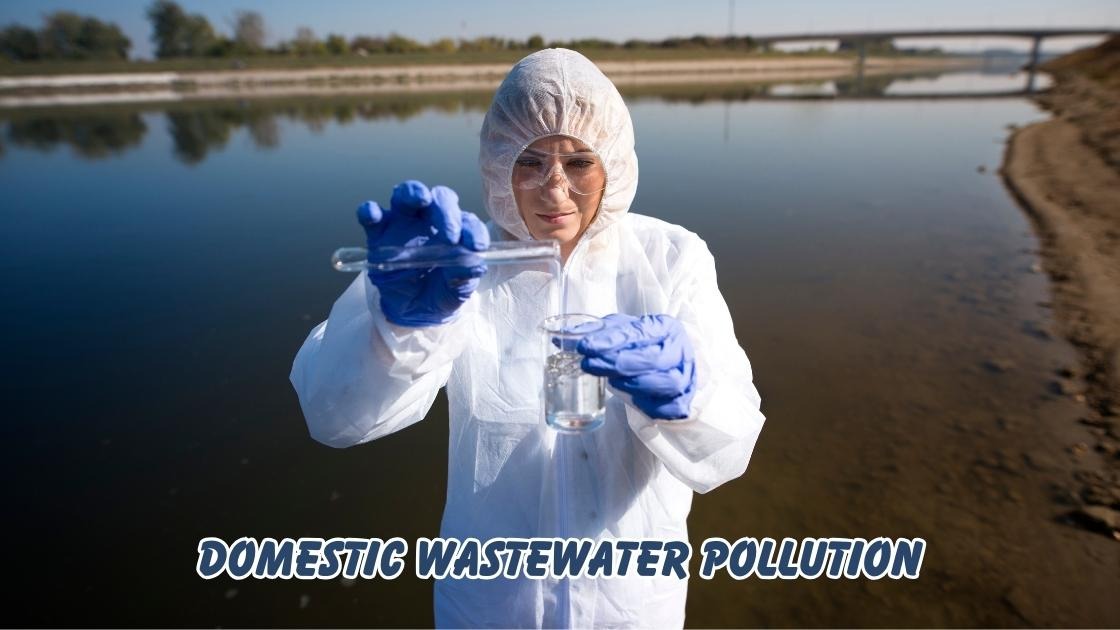
Every day, millions of households unknowingly contribute to domestic wastewater pollution, releasing harmful contaminants into our water systems and threatening both environmental and public health. From the soap residue washing down your drain to the chemicals flushed from toilets, residential sewage creates a growing crisis that demands immediate attention.
This comprehensive guide brings together insights from environmental engineers, water treatment specialists, and public health professionals who have spent decades studying household water contamination. You will learn about the primary sources of residential effluent discharge, understand how sewage treatment processes work, and discover practical solutions for reducing your home’s environmental footprint.
Whether you are a homeowner concerned about groundwater contamination, a student researching aquatic ecosystem damage, or a community leader seeking sustainable water management strategies, this expert-backed resource provides the knowledge you need to understand and address this critical environmental challenge.
What Is Domestic Wastewater Pollution?
Domestic wastewater pollution refers to the contamination of water bodies caused by liquid waste generated from residential activities. This includes water discharged from kitchens, bathrooms, laundry rooms, and toilets that carries various pollutants into our environment. When left untreated or improperly managed, this household sewage poses serious risks to aquatic ecosystems, groundwater reserves, and human health.
The composition of residential wastewater typically includes organic matter, pathogens, nutrients like nitrogen and phosphorus, household chemicals, and microplastics. Understanding what constitutes this type of water contamination helps communities develop effective strategies for prevention and treatment.
Historical Background and Growing Concerns
The Evolution of Wastewater Management
Throughout history, civilizations have struggled with managing human waste and greywater disposal. Ancient Romans built elaborate sewer systems, while medieval cities often dumped waste directly into rivers and streets. The industrial revolution brought increased urbanization, making domestic wastewater pollution a critical public health concern that led to devastating cholera outbreaks.
Modern Day Challenges
Today, rapid population growth and urban expansion have intensified pressure on existing sewage infrastructure. Many older cities operate with outdated treatment facilities that cannot adequately process the volume of residential effluent they receive. Climate change further complicates matters by increasing flood events that overwhelm drainage systems and cause untreated sewage overflows.
Primary Sources of Household Water Contamination
Kitchen Waste Discharge
Kitchen sinks contribute significant organic pollutants including food particles, cooking oils, and detergent residues. These substances increase the biological oxygen demand in waterways, depleting oxygen levels that fish and other aquatic organisms need to survive.
Bathroom and Toilet Effluent
Bathroom sources represent the largest contributor to domestic wastewater pollution in most households. Human waste contains harmful bacteria, viruses, and parasites that can cause waterborne diseases. Additionally, personal care products introduce pharmaceutical compounds and microbeads into water systems.
Laundry Room Discharge
Washing machines release water containing synthetic detergents, fabric softeners, and microfibers from clothing. These substances are particularly concerning because many treatment plants cannot effectively remove them from the water supply.
Environmental and Health Impacts
The consequences of untreated residential sewage extend far beyond unpleasant odors. Domestic wastewater pollution creates cascading effects throughout ecosystems and communities.
- Eutrophication occurs when excess nutrients cause algal blooms that suffocate aquatic life
- Groundwater contamination threatens drinking water sources for millions of people
- Pathogen transmission spreads diseases like hepatitis, typhoid, and gastroenteritis
- Bioaccumulation allows toxins to concentrate in fish consumed by humans
- Habitat destruction eliminates breeding grounds for wildlife species
Economic Consequences
Communities affected by water contamination face substantial financial burdens including healthcare costs, tourism losses, and expensive remediation projects. Coastal regions dependent on fishing industries suffer particularly severe economic damage when domestic wastewater pollution degrades marine environments.
Effective Treatment Methods and Technologies
Conventional Treatment Processes
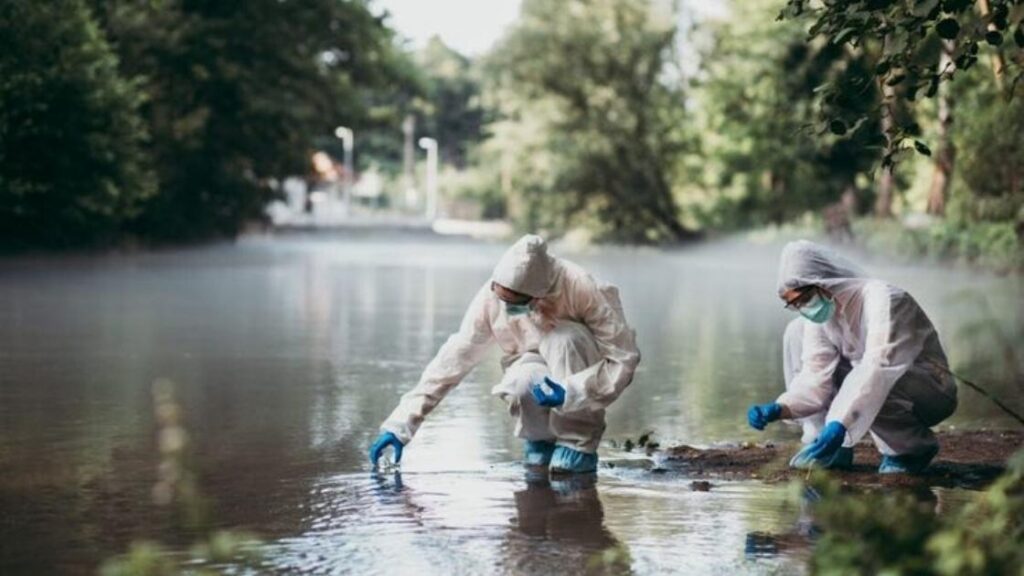
Municipal wastewater treatment plants use a combination of physical, biological, and chemical processes to remove contaminants. The initial treatment phase eliminates solid particles using filtration and settling processes, while the subsequent biological stage employs beneficial bacteria to decompose organic pollutants.
Innovative Solutions
Emerging technologies offer promising alternatives for addressing household water contamination more effectively.
- Constructed wetlands use natural plant processes to filter pollutants
- Membrane bioreactors combine biological treatment with advanced filtration
- Ultraviolet disinfection eliminates pathogens without chemical additives
- Anaerobic digesters convert organic waste into renewable biogas energy
- Smart monitoring systems detect contamination events in real time
Prevention Strategies for Homeowners
Individual actions significantly reduce the burden of domestic wastewater pollution on treatment systems and natural waterways. Choosing phosphate free detergents and biodegradable cleaning products minimizes chemical discharge. Properly disposing of medications through pharmacy take back programs prevents pharmaceutical contamination. Installing low flow fixtures reduces overall wastewater volume while conserving water resources.
Regular septic system maintenance ensures proper treatment for homes not connected to municipal sewers. Avoiding flushing non biodegradable items like wipes and sanitary products prevents blockages and treatment complications. These simple behavioral changes collectively make substantial differences in protecting water quality.
The Role of Policy and Community Action
Effective management of domestic wastewater pollution requires coordinated efforts between governments, industries, and citizens. Stricter regulations on discharge standards push municipalities to upgrade aging infrastructure. Public education campaigns raise awareness about proper disposal practices. Investment in green infrastructure creates natural filtration systems that complement traditional treatment approaches.
Community involvement in watershed protection programs empowers residents to monitor local water quality and advocate for improvements. By working together, stakeholders can develop sustainable solutions that protect both environmental health and economic prosperity for future generations.
Conclusion
Domestic wastewater pollution remains one of the most pressing environmental challenges facing communities worldwide. Throughout this guide, we have explored how residential sewage, household water contamination, and improper greywater disposal threaten aquatic ecosystems, groundwater quality, and public health. Understanding the sources, impacts, and treatment methods empowers individuals and communities to take meaningful action.
By adopting responsible disposal practices, supporting infrastructure improvements, and advocating for stronger environmental policies, we can collectively reduce domestic wastewater pollution. The solutions exist and protecting our water resources requires commitment from homeowners, policymakers, and industry professionals working together toward sustainable water management for future generations.