The effects of garbage on the environment represent one of the most pressing ecological challenges facing our planet today. Every year, billions of tons of waste end up in landfills, oceans, and natural habitats, causing irreversible damage to ecosystems worldwide. From plastic pollution choking marine life to toxic chemicals seeping into groundwater, improper waste disposal threatens both wildlife and human health.
This comprehensive guide explores how garbage impacts our air quality, soil contamination, and water resources. You will discover the science behind environmental degradation caused by different waste types and learn practical, community-driven solutions that actually work. Whether you are an environmental advocate, local policymaker, or concerned citizen, this article provides actionable strategies for reducing waste impact and protecting natural ecosystems for future generations. Now I have gathered sufficient research to write a comprehensive main body section.
Understanding the Effects of Garbage on the Environment
The effects of garbage on the environment extend far beyond overflowing landfills and unsightly litter. When waste is improperly managed, it triggers a chain reaction of ecological damage that impacts air quality, water systems, soil health, and biodiversity. The world generates over 2 billion tons of municipal solid waste annually, and this is expected to increase 70 percent by 2050. Understanding these environmental consequences is the first step toward implementing meaningful change in our communities.
Garbage pollution occurs when solid waste materials are not properly collected, treated, or disposed of. This includes household trash, industrial byproducts, construction debris, and electronic waste. Open dumping systems account for around 40% of waste globally, and while they are more cost effective, they accelerate climate change by allowing toxins to leak into the soil, groundwater, and nearby waterways.
How Garbage Contributes to Air Pollution
The effects of garbage on the environment are particularly visible in air quality degradation. When organic waste decomposes in landfills without proper oxygen exposure, it produces methane gas. Landfills contribute approximately 10% of worldwide methane emissions, with this potent greenhouse gas trapping heat 80 times more effectively than carbon dioxide within a two decade period.
Open burning of garbage releases toxic pollutants including dioxins, furans, and particulate matter into the atmosphere. These airborne contaminants contribute to respiratory diseases, cardiovascular problems, and increased cancer risks among nearby populations. Communities living close to waste disposal sites often experience significantly higher rates of asthma and other breathing difficulties.
Water Contamination from Improper Waste Disposal
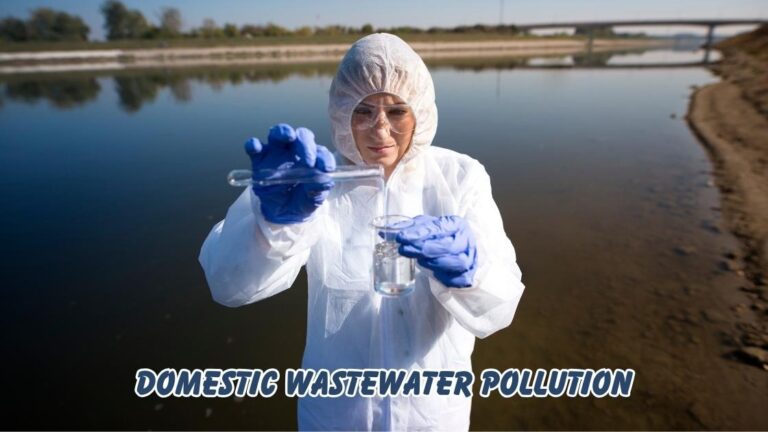
One of the most severe effects of garbage on the environment involves water pollution. Landfill sites require protective base liners designed to block harmful substances from seeping into water sources. However, if there is no layer or it is cracked, contaminants from the landfill such as car battery acid, paint, and household cleaners can make their way into the groundwater.
Groundwater Pollution
Drinking contaminated groundwater can have serious health effects. Diseases such as hepatitis and dysentery may be caused by contamination from septic tank waste, while poisoning may be caused by toxins that have leached into well water supplies. This contamination can persist for decades, making remediation extremely difficult and expensive.
Marine Ecosystem Damage
Daily, plastic waste equal to 2,000 fully loaded garbage trucks enters our oceans, rivers, and lakes worldwide. This marine debris harms aquatic life through ingestion and entanglement, disrupting food chains and threatening species survival. Massive floating garbage patches such as the Great Pacific Garbage Patch are forming in oceans, damaging marine ecosystems, poisoning wildlife, and disrupting the food chain.
Soil Degradation and Land Pollution
The effects of garbage on the environment significantly impact soil quality and agricultural productivity. When waste materials decompose on land, they release harmful chemicals that alter soil composition and destroy beneficial microorganisms. Soil pollution reduces the number and variety of beneficial microorganisms in the soil through chemical toxicity, and chemical pollutants in soil may also become a source of pollution for groundwater through leaching of contaminants.
Heavy metals like lead, cadmium, and mercury from electronic waste and industrial garbage accumulate in soil over time. Chronic exposure to benzene at sufficient concentrations is associated with a higher incidence of leukemia, while mercury and cyclodienes are known to induce higher incidences of kidney damage. These contaminants enter the food chain when plants absorb them, eventually reaching human consumers.
Types of Garbage and Their Environmental Impact
Different waste categories create unique environmental challenges:
- Plastic waste takes hundreds of years to decompose and breaks into microplastics that contaminate water sources and enter food chains
- Organic waste produces methane gas in landfills and attracts disease carrying pests when left exposed
- Electronic waste releases toxic heavy metals including lead, mercury, and cadmium into surrounding ecosystems
- Hazardous household chemicals contaminate groundwater and harm wildlife when disposed improperly
- Construction debris occupies significant landfill space and may contain asbestos or other dangerous materials
Evidence Based Community Solutions
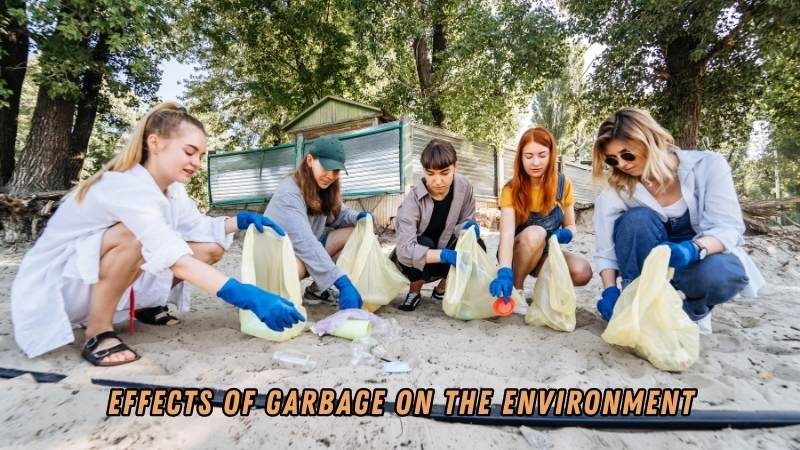
Addressing the effects of garbage on the environment requires coordinated community action. Recycling serves as a fundamental pillar in effective community waste management strategies. By diverting materials from landfills and reintroducing them into the production cycle, recycling reduces the need for raw materials, conserves energy, and minimizes pollution.
Implementing Effective Waste Reduction Programs
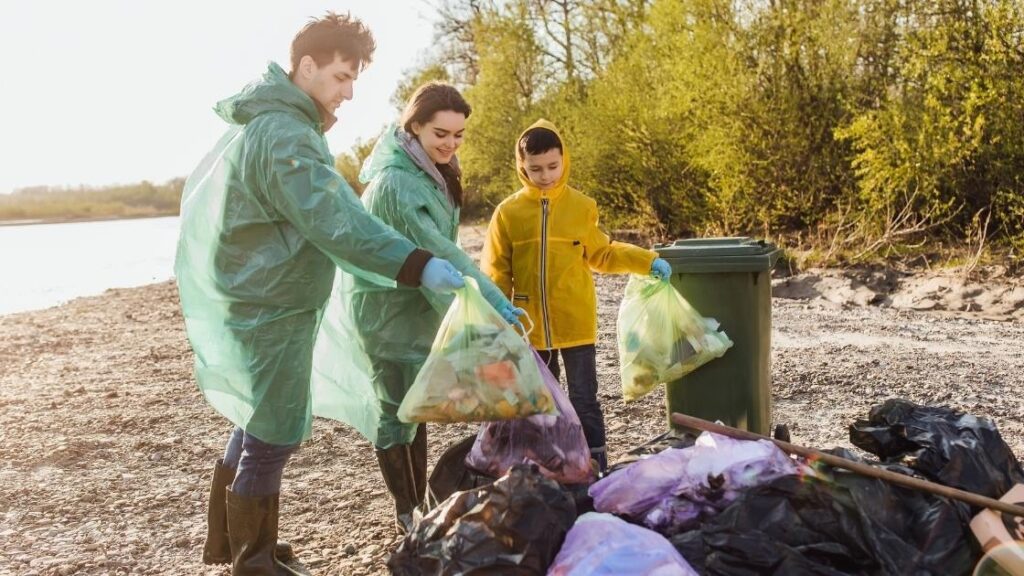
Successful communities focus on prevention first. By practicing the 3 Rs of waste reduction, reduce, reuse, and recycle, we can all do our part. Local governments can establish comprehensive waste management systems that prioritize source reduction and material recovery over disposal.
Converting organic waste into compost offers an excellent method for minimizing landfill dependency while creating nutrient rich soil enhancers. Composting reduces methane emissions from landfills, diverts organic waste from landfills, saving space and reducing disposal costs. Community composting programs transform food scraps and yard waste into nutrient rich soil enhancers for local gardens and farms.
Building Sustainable Recycling Infrastructure
Effective recycling programs require proper infrastructure and public education. Place recycling bins next to trash cans in busy areas such as parks, parking lots, piers, and plazas. Using distinct colored containers or visible signage helps residents easily recognize proper disposal points for various waste types.
Key strategies for successful community waste management include:
- Conducting waste audits to understand local waste composition and identify improvement opportunities
- Establishing curbside recycling pickup with clear guidelines on acceptable materials
- Creating public education campaigns that explain recycling benefits and proper sorting techniques
- Implementing incentive programs that reward residents for reducing waste output
- Partnering with local businesses to establish circular economy practices
The Role of Policy and Community Engagement
Lasting solutions to environmental garbage pollution require both policy changes and grassroots participation. Government bodies significantly contribute to waste management awareness by launching public education initiatives. Local ordinances can mandate recycling participation, restrict single use plastics, and establish extended producer responsibility programs.
Community based waste management has emerged as a viable and effective approach to address the challenges of waste disposal and recycling. By involving local communities in waste management practices, this decentralized model promotes sustainability, environmental preservation, economic growth, and community empowerment. When residents understand the effects of garbage on the environment and take ownership of local solutions, transformation becomes possible.
Conclusion
The effects of garbage on the environment demand immediate attention from individuals, communities, and policymakers alike. From groundwater contamination and soil degradation to marine pollution and greenhouse gas emissions, improper waste disposal threatens both ecological health and human wellbeing. However, evidence based solutions offer genuine hope. By implementing comprehensive recycling programs, community composting initiatives, and sustainable waste management practices, we can significantly reduce environmental damage.
The effects of garbage on the environment are reversible when communities commit to collective action. Every small step toward waste reduction contributes to cleaner air, healthier ecosystems, and a more sustainable future for generations to come.