How does plastic affect humans? The answer, according to a 2024 study published in Nature Medicine, is through more than 16,000 chemicals associated with plastic products, of which at least 1,500 are known to leach into food, water, and air. Microplastics have been found in human blood, lung tissue, brain tissue, and placentas. The Geneva Environment Network estimates that humans ingest between 0.1 and 5 grams of plastic per week and inhale up to 22 million micro and nanoplastic particles annually. The global health cost of plastic exposure was estimated at $100 billion per year in 2022, according to Earth Day.
Table of Contents
This guide consolidates the latest science on how plastic affects human health into one resource: how plastic chemicals enter the body, what they do once inside, which populations face the greatest risk, and what practical steps reduce exposure. For the broader environmental picture, see our comprehensive guide on the dangers of plastic pollution across all ecosystems.

How Plastic Enters the Human Body
Plastic effects on humans begin with three exposure pathways, each documented by the Center for International Environmental Law and confirmed by peer-reviewed research.
Ingestion
Humans consume microplastics through contaminated seafood, drinking water (both tap and bottled), food stored in plastic containers, and produce grown in microplastic-contaminated soil. The Geneva Environment Network estimates weekly plastic ingestion at 0.1 to 5 grams per person, roughly the weight of a credit card at the upper end. When food or liquid contacts plastic packaging (especially when heated), chemicals like bisphenol A and phthalates leach from the container into what we consume.
Inhalation
Microplastics become airborne, particularly in urban environments where plastic waste, synthetic textiles, and vehicle tire wear generate fine particles. The Geneva Environment Network reports that humans inhale between 26 and 170 airborne microplastic particles per day, totaling up to 22 million particles per year. Once inhaled, these particles can lodge in lung tissue and trigger inflammatory responses.
Skin Contact
Cosmetics, personal care products (containing microbeads), and synthetic fabrics expose skin to plastic chemicals. Phthalates and other additives can be absorbed through the skin, entering the bloodstream and accumulating in tissue over time.
The Center for International Environmental Law emphasizes that exposure begins before birth and continues throughout life, with plastic-associated chemicals consistently detected in human samples during pregnancy, at birth, in children, and in adults.
The Chemicals Inside Plastic Products
The question of how does plastic affect humans cannot be answered without understanding what is in the plastic itself. A 2024 Nature Medicine study identified over 16,000 chemicals associated with plastic products. Of those, 6,300 have high exposure potential, and a staggering 66 percent have no available hazard data at all. Of the chemicals that have been studied, more than 4,200 (approximately 75 percent) are already known to be hazardous to human and environmental health.
The table below summarizes the most well-documented plastic chemicals and their effects on human health, drawn from the U.S. EPA,Nature Medicine, and the Geneva Environment Network.
| Chemical | Common sources | How it enters the body | Documented health effects |
| Bisphenol A (BPA) | Food containers, water bottles, can linings, receipt paper | Ingestion, skin contact | Endocrine disruption, reproductive harm, links to obesity, cardiovascular risk |
| Phthalates (DEHP, DBP) | Flexible plastics, food packaging, cosmetics, vinyl flooring | Ingestion, inhalation, skin absorption | Hormone disruption, reduced fertility, developmental delays in children |
| Polybrominated diphenyl ethers (PBDEs) | Flame retardants in electronics, furniture, textiles | Inhalation, ingestion (dust) | Thyroid disruption, neurodevelopmental harm, potential carcinogen |
| Dioxins and furans | Plastic incineration, open burning of waste | Inhalation, food chain accumulation | Cancer, immune suppression, reproductive toxicity |
| Per- and polyfluoroalkyl substances (PFAS) | Non-stick coatings, food packaging, textiles | Ingestion, drinking water | Liver damage, immune suppression, thyroid disease, cancer |
| Styrene | Polystyrene foam cups, food trays, packaging | Ingestion (leaches from hot liquids), inhalation | Nervous system effects, headaches, fatigue, suspected carcinogen |
| Heavy metals (lead, cadmium) | PVC products, pigments, electronic waste | Ingestion, soil and water contamination | Kidney damage, neurological harm, developmental impairment |
| Microplastics and nanoplastics | Bottled water, seafood, air, soil, cosmetics | Ingestion, inhalation, skin | Found in blood, lungs, brain, placentas; chronic inflammation; long-term effects under study |
Many of these chemicals are not bound to the plastic structure. They leach freely during normal use, especially under heat, sunlight, or acidic conditions. This is why heating food in plastic containers or leaving plastic water bottles in direct sunlight significantly increases chemical exposure.
Plastic Effects on Humans by Body System
The plastic effects on humans are not limited to one organ or one mechanism. Research compiled by the Center for International Environmental Law and the Geneva Environment Network documents impacts across multiple body systems.
Endocrine System
BPA, phthalates, and PBDEs are classified as endocrine-disrupting chemicals (EDCs). They mimic or block natural hormones, interfering with thyroid function, insulin regulation, and reproductive hormones. The Geneva Environment Network reports that the economic cost of diseases caused by just three plastic-associated chemicals (PBDE, BPA, and DEHP) was estimated at over $250 billion globally in 2015 and more than $920 billion in the United States alone.
Respiratory System
Inhaled microplastics can trigger chronic inflammation in lung tissue. Workers in plastic manufacturing and waste processing face elevated rates of asthma, bronchitis, and respiratory disease. Earth Day highlights residents of “Cancer Alley” in Louisiana, where communities near plastics plants along the lower Mississippi River experience the highest cancer rates in the United States.
Digestive System
Microplastics that are swallowed can cross the gut barrier and enter the bloodstream, according to animal studies cited by the Geneva Environment Network. Research has found a correlation between microplastic presence in the human body and inflammatory bowel disease symptoms, though further study is needed to establish direct causation.
Reproductive System
Exposure to phthalates and BPA is linked to reduced fertility in both men and women. The Minderoo-Monaco Commission on Plastics and Health (2023), cited by the Geneva Environment Network, documents increased risks of prematurity, stillbirth, and birth defects of the reproductive organs in children exposed to plastic chemicals during fetal development.
Neurological System
Studies cited by the Center for International Environmental Law link microplastic exposure to neurodegenerative diseases, and chronic exposure to styrene (from polystyrene products) is associated with headaches, fatigue, and nervous system impairment. Lead and cadmium from PVC products cause documented neurological damage, particularly in children.
Microplastics and Nanoplastics: The Invisible Threat
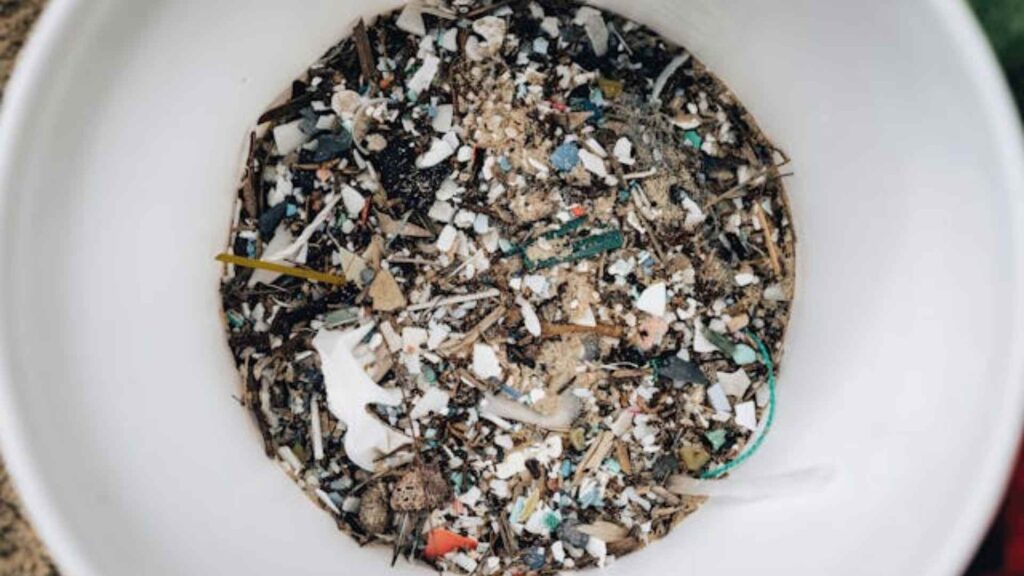
Microplastics (smaller than 5 millimeters) and nanoplastics (smaller than 1 micrometer) represent the most rapidly growing area of concern in understanding how does plastic affect humans.
These particles form as larger plastic items fragment under sunlight, wind, and wave action. They also shed directly from synthetic textiles during washing (a single wash cycle can release over 700,000 microfibers), from vehicle tires on roads, and from microbeads in cosmetics.
Once inside the body, microplastics can migrate from the gut to the bloodstream and from the lungs to other organs. Researchers have detected microplastics in human blood (2022), lung tissue (2022), brain tissue (2024), and placental tissue (2020). The Nature Medicine study confirms that plastic particles carry toxic chemicals into tissue and can trigger chronic inflammation, cardiovascular disease, and potentially cancer.
The full scope of long-term health effects remains under investigation, but the Center for International Environmental Law states that enough evidence already exists to justify comprehensive global policy action. Our pollution and waste section tracks the latest developments in microplastic research and regulation.
Who Is Most Vulnerable
The plastic effects on humans are not distributed equally. Certain populations bear disproportionate risk, as the Geneva Environment Network and Earth Day both document.
Children and infants. Developing bodies are far more sensitive to endocrine-disrupting chemicals. Children mouth plastic objects, increasing ingestion exposure. The Minderoo-Monaco Commission documents elevated risks of prematurity, impaired lung growth, neurodevelopmental damage, and childhood cancer in children exposed to plastic chemicals during pregnancy and early life.
Pregnant women. Plastic chemicals cross the placental barrier. BPA and phthalates detected in maternal blood are also found in cord blood and placental tissue, meaning the fetus is exposed from conception.
Informal waste workers. Millions of people worldwide sort and process plastic waste without protective equipment. They face direct skin contact with hazardous chemicals, inhalation of toxic fumes from open burning, and ingestion of contaminated water near unmanaged landfills.
Fenceline communities. People living near plastic production facilities, incinerators, and open dump sites face chronic exposure to airborne chemicals. Earth Day reports that Cancer Alley in Louisiana, where marginalized communities live alongside petrochemical and plastics plants, has the highest cancer rates in the United States.
How to Reduce Your Personal Exposure
Eliminating plastic contact entirely is nearly impossible in 2026, but reducing exposure is practical and meaningful.
- Switch from plastic to glass or stainless steel for food storage and water bottles. Never heat food in plastic containers or cover food with plastic wrap during microwaving.
- Filter drinking water. Activated carbon or reverse osmosis filters remove many microplastic particles and chemical contaminants from tap water.
- Choose fresh food over heavily packaged products. Plastic packaging in contact with food (especially fatty or acidic foods) leaches chemicals more readily.
- Avoid cosmetics containing microbeads. Check ingredient labels for polyethylene (PE) or polypropylene (PP).
- Wash synthetic clothing less frequently and use a microfiber-catching laundry bag or filter to reduce microfiber shedding into waterways.
- Support policy. Vote for extended producer responsibility laws, single-use plastic bans, and chemical transparency requirements.
For specific product swaps, our guide to eco-friendly replacements covers alternatives for kitchen, bathroom, and household items. Our zero-waste morning routine shows how to cut plastic from the start of each day. For a full household assessment, our sustainability assessment and eco tools can identify where your plastic footprint is highest. For the connection between airborne plastic particles and broader air quality, see our guide to solutions for reducing air pollution.
How does plastic affect humans on a daily basis?
Humans are exposed to plastic chemicals every day through food (packaging leaching, contaminated seafood), water (microplastics in tap and bottled water), air (airborne microplastic particles, especially in cities), and skin contact (cosmetics, synthetic clothing). The Geneva Environment Network estimates that people ingest 0.1 to 5 grams of plastic weekly and inhale millions of particles annually.
What are the most dangerous chemicals in plastic?
BPA, phthalates, PBDEs, dioxins, PFAS, styrene, and heavy metals (lead, cadmium) are the most well-documented hazards. A 2024 Nature Medicine study found that of the 16,000+ chemicals in plastic products, 75 percent of those studied are already known to be hazardous, and 66 percent have never been tested at all.
Are microplastics really inside the human body?
Yes. Researchers have confirmed microplastics in human blood (2022), lung tissue (2022), brain tissue (2024), and placental tissue (2020). Animal studies show these particles can cross the gut barrier and travel through the bloodstream to other organs.
Who is most at risk from plastic exposure?
Children, pregnant women, informal waste workers, and communities living near plastic production or waste processing facilities face the highest risk. Children are especially vulnerable because their developing bodies are more sensitive to endocrine-disrupting chemicals, and behaviors like mouthing objects increase ingestion.
Can I completely avoid plastic exposure?
Realistically, no. Microplastics are now present in air, water, soil, and food systems globally. But reducing exposure is achievable through practical steps: switching to glass or steel food containers, filtering water, avoiding heating food in plastic, choosing fresh over packaged food, and supporting policies that reduce plastic production and improve chemical transparency.
What is the economic cost of plastic health effects?
The Geneva Environment Network reports that diseases caused by just three plastic chemicals (PBDE, BPA, DEHP) cost over $250 billion globally in 2015 and more than $920 billion in the United States alone. Earth Day estimates the total global health cost of plastic exposure at $100 billion per year as of 2022.
Sources
- Nature Medicine. “How Do Plastics, Including Microplastics and Plastic-Associated Chemicals, Affect Human Health?” https://www.nature.com/articles/s41591-024-03287-x
- Geneva Environment Network. “Plastics and Human Health.” https://www.genevaenvironmentnetwork.org/resources/updates/plastics-and-health/
- Center for International Environmental Law. “The Toxic Impacts of Plastic Across Its Lifecycle.” https://www.ciel.org/the-toxic-impacts-of-plastic-across-its-lifecycle/
- Earth Day. “What You Need to Know About the Impact of Plastics on Human Health.” https://www.earthday.org/what-you-need-to-know-about-the-impact-of-plastics-on-human-health/
- U.S. Environmental Protection Agency. “Impacts of Plastic Pollution.” https://www.epa.gov/plastics/impacts-plastic-pollution