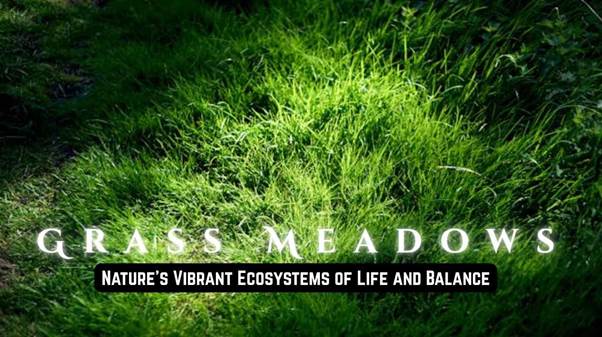
Grass meadows are some of the most captivating and vital landscapes on Earth. Found across continents, these lush fields of grasses and wildflowers are not only beautiful to the eye but also essential for maintaining biodiversity and ecological balance. From providing food and shelter for countless species to serving as carbon sinks that combat climate change, grass meadows play a much larger role than many realize.
Table of Contents
This article explores the definition, history, ecological importance, and benefits of grass meadows. We will also discuss their challenges in the modern world, along with examples of meadows across different regions. By the end, you will understand why protecting these ecosystems is critical for both nature and humanity. Whether you’re a student, researcher, or simply a nature lover, this guide will help you appreciate the irreplaceable value of grass meadows.
Definition and Characteristics
Grass meadows are open fields dominated by grasses, herbs, and seasonal wildflowers. Unlike dense forests, these ecosystems allow plenty of sunlight to reach the ground, which supports diverse plant growth. They are typically found in temperate and tropical climates, often forming near river valleys, mountain slopes, or open plains.
Related Article: Grass Meadows and Biodiversity: Protecting Nature’s Silent Landscapes
Key features include:
- A mix of perennial and annual grasses
- Seasonal flowering plants that attract pollinators
- Soil that is nutrient-rich and supports agriculture
- Open space that provides habitats for mammals, birds, and insects
Historical Background
Grass meadow and human history have existed for millions of years, shaping both natural and human history. Early civilizations depended on these landscapes for farming, hunting, and grazing livestock. For example, the great grasslands of Eurasia supported nomadic herders for centuries, while North American prairies provided food for Native tribes and migrating bison herds.
Over time, human activities such as agriculture and urban expansion have altered many grass meadows, reducing their original range. Still, remnants of ancient meadows remain in national parks and protected reserves, offering glimpses into their historic richness.
Ecological Importance
The ecological role of grass meadows is irreplaceable. They act as living systems that regulate climate, preserve soil fertility, and sustain diverse life forms.
Biodiversity Support
Grass meadows host pollinators like bees, butterflies, and beetles, which are vital for food production worldwide. They also support ground-nesting birds, grazing mammals, and countless microorganisms.
Carbon Storage and Climate Role
Grasslands and meadows store significant amounts of carbon in their soils, helping reduce greenhouse gases and slow down global warming.
Soil and Water Protection
The roots of grasses stabilize soil, prevent erosion, and improve water infiltration. This makes meadows essential in protecting watersheds.
Benefits of Grass Meadow
It provide benefits to both ecosystems and humans:
- Food source for livestock, wildlife, and even people through foraged herbs
- Medicinal plants that have been used in traditional healing practices
- Recreational value, offering open landscapes for hiking and tourism
- Agricultural support through fertile soils ideal for farming
Challenges Facing Grass Meadows
Despite their importance, grass meadows face multiple threats in the modern era.
- Urbanization: Expanding cities often replace natural meadows with concrete.
- Agriculture: Intensive farming leads to monocultures, reducing plant diversity.
- Climate Change: Rising temperatures and irregular rainfall disturb meadow ecosystems.
- Overgrazing: Excessive livestock grazing depletes vegetation and damages soils.
These challenges highlight the urgent need for conservation efforts to protect remaining meadow ecosystems.
Real-World Examples
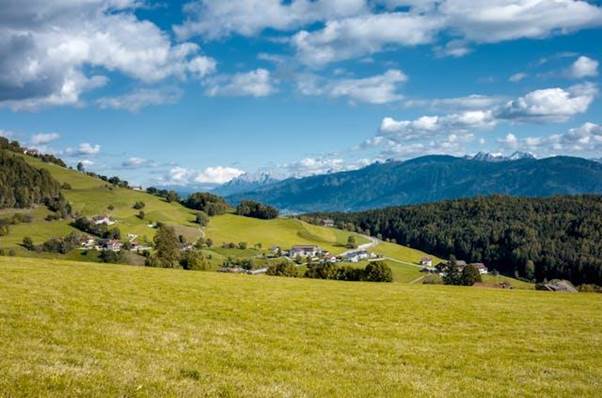
- European Meadows: Found in countries like Switzerland and Germany, known for their wildflowers and traditional farming.
- North American Prairies: Vast grass meadows that once stretched across the Midwest, now partly preserved in parks.
- Asian Meadows: Himalayan alpine meadows host rare species and provide grazing for yaks.
- African Meadows: Savannah regions combine grasses with scattered trees, supporting elephants, lions, and zebras.
Each of these examples shows the diversity and richness of grass meadows worldwide.
Conservation
Efforts to conserve grass meadows include:
- Establishing protected areas and reserves
- Encouraging sustainable grazing practices
- Restoring degraded meadows through replanting native grasses
- Raising awareness about the ecological value of meadows
Global conservation groups are increasingly recognizing grass meadows as vital ecosystems that deserve the same level of protection as forests and wetlands.
Conclusion
Grass meadows are more than just open fields they are ecosystems of life, balance, and resilience. They sustain biodiversity, regulate climate, and provide essential resources for humans and wildlife alike. However, threats like urbanization and climate change put their survival at risk. Protecting these meadows is not only an environmental necessity but also a way to secure a healthier future. By supporting conservation efforts and sustainable practices, we can ensure that grass meadows continue to thrive for generations to come.
Q1: What are grass meadows and why are they important?
Grass meadows are open fields filled with grasses and wildflowers. They are important because they support biodiversity, prevent soil erosion, and store carbon.
Q2: What animals live in grass meadows?
Many species thrive in grass meadows, including pollinators like bees and butterflies, grazing animals such as deer and bison, and ground-nesting birds.
Q3: How can grass meadows be protected?
Protecting grass meadows involves conserving native plants, preventing overgrazing, reducing urban expansion, and supporting restoration projects worldwide.