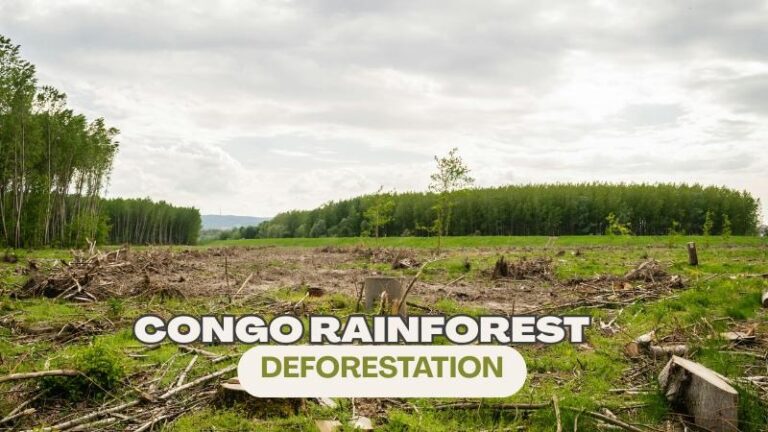
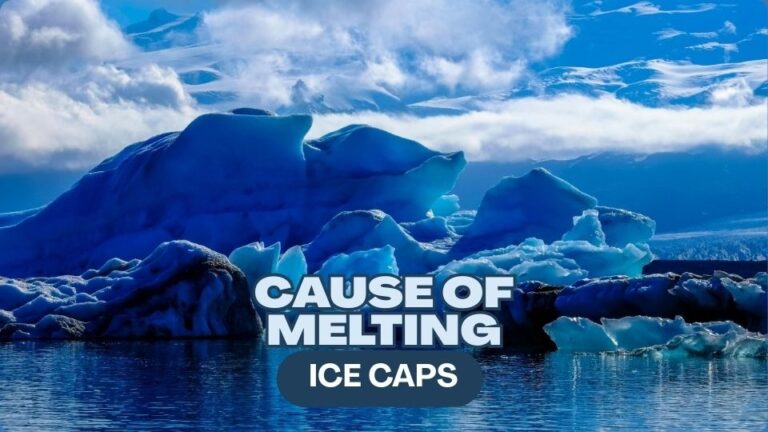
Habitat protection is one of the most crucial steps in preserving the delicate balance of life on Earth. Every species, from the tiniest insect to the largest mammal, relies on a stable and secure environment to thrive. However, rapid urbanization, deforestation, and pollution continue to destroy natural habitats, putting countless species at risk.
Table of Contents
In this article, we’ll explore what habitat protection truly means, its importance in sustaining biodiversity, the benefits it brings to ecosystems and humans, the major challenges it faces, and examples of successful conservation efforts around the world. By the end, you’ll understand why protecting natural habitats is not just an environmental concern it’s a global responsibility that directly affects our survival and the planet’s future stability.

Understanding Habitat Protection and Its Meaning
Habitat protection refers to conserving natural areas that provide shelter, food, and breeding grounds for wildlife. It ensures that ecosystems remain functional and sustainable. Without it, animals lose their homes, plants die out, and ecological processes such as pollination and nutrient cycling collapse.
Historically, the concept gained attention in the late 20th century when environmental awareness began rising globally. Initiatives like national parks, wildlife sanctuaries, and protected reserves were established to preserve biodiversity and stop habitat fragmentation.
The Importance of Habitat Protection for Biodiversity
Biodiversity and habitat protection go hand in hand. Healthy habitats support a wide range of species and maintain balance in nature. When habitats are destroyed, ecosystems lose resilience, leading to extinction and ecological collapse.
Key reasons why habitat protection is essential:
• It preserves the genetic diversity of species
• It maintains natural resources for human use
• It helps ecosystems adapt to climate change
• It supports pollination and soil fertility
Protecting habitats also ensures that humans continue to benefit from natural services such as clean water, air purification, and climate regulation.
Benefits of Habitat Protection for Humans and Wildlife
The advantages of habitat protection extend far beyond saving wildlife. It directly improves human health and well-being.
Major benefits include:
• Climate stability: Forests and wetlands absorb carbon dioxide, mitigating global warming.
• Economic opportunities: Ecotourism and sustainable forestry create jobs while preserving nature.
• Health benefits: Natural environments filter pollutants and reduce disease spread.
• Food and water security: Protected habitats maintain water cycles and fertile soils for agriculture.
In short, protecting habitats safeguards both ecological balance and economic growth, making it a win-win solution for nature and people.
Challenges Facing Habitat Protection Efforts
Despite its importance, habitat protection faces significant obstacles globally. The expansion of human populations and industries leads to habitat destruction at alarming rates.
Common challenges include:
• Deforestation for agriculture and urban development
• Climate change disrupting natural ecosystems
• Illegal logging, mining, and poaching
• Weak environmental laws and enforcement
Developing nations often face the toughest challenge balancing economic development with environmental preservation. International cooperation and local engagement are crucial to overcoming these barriers.
Global Examples of Successful Habitat Protection
Around the world, several inspiring projects highlight the power of habitat protection.
1. Yellowstone National Park, USA
Established in 1872, Yellowstone is the world’s first national park and a pioneer in habitat preservation. Its protected lands safeguard wolves, bears, and bison.
2. The Great Barrier Reef Marine Park, Australia
Through global partnerships and indigenous involvement, major sections of the Amazon are now being monitored and restored to counter illegal deforestation.
3. The Amazon Rainforest Conservation Initiatives
This marine reserve helps protect coral reefs and thousands of aquatic species. It also promotes eco-friendly tourism.
These examples prove that long-term planning, strict enforcement, and community participation can make habitat protection effective.
How Individuals Can Support Habitat Protection
You don’t need to be a scientist or activist to contribute to habitat protection. Small actions make a big difference.
Simple ways to help include:
• Supporting eco-friendly brands and products
• Reducing waste and avoiding single-use plastics
• Planting native trees and flowers
• Donating to wildlife organizations
• Raising awareness about conservation issues
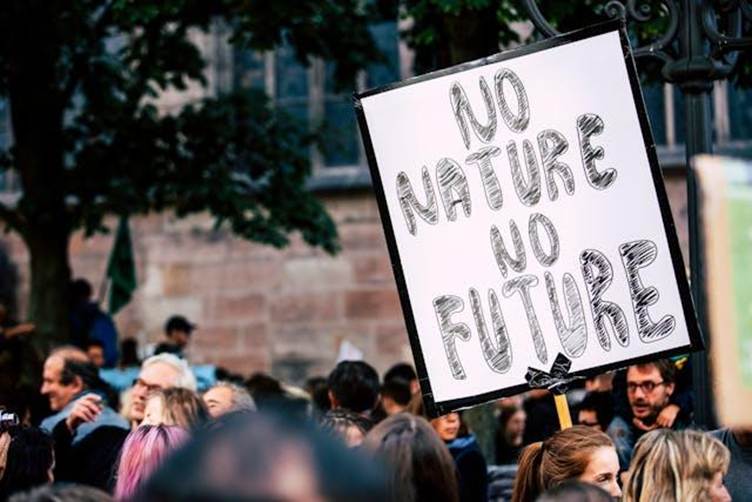
When communities act together, the impact multiplies turning awareness into lasting environmental action.
The Future of Habitat Protection in a Changing Climate
As global warming intensifies, habitat protection is becoming more urgent. Scientists emphasize that protecting and restoring habitats is one of the best strategies to fight climate change. Reforestation projects, coral reef rehabilitation, and wetland restoration can all capture carbon and support biodiversity simultaneously.
By combining modern technology, sustainable policies, and local participation, the world can protect vital ecosystems for generations to come.
Conclusion
In conclusion, habitat protection is not just about saving wildlife it’s about preserving the foundation of life on Earth. Every tree, river, and wetland plays a crucial role in maintaining ecological harmony and human survival. The time to act is now. By supporting conservation programs, making sustainable choices, and spreading awareness, we can ensure a thriving planet for future generations. The protection of habitats today determines the quality of life tomorrow so let’s unite to restore and defend nature’s precious homes.
1. What is habitat protection and why is it important?
Habitat protection means conserving natural environments to ensure wildlife and plants can survive and reproduce. It’s important because it maintains biodiversity, supports clean air and water, and helps stabilize the global climate.
2. How does habitat protection benefit humans?
Protecting habitats benefits humans by providing clean water, fertile soil, and a balanced climate. It also supports industries like ecotourism and agriculture, creating sustainable economic opportunities.
3. What are some ways individuals can support habitat protection?
You can support habitat protection by planting native trees, reducing plastic use, supporting conservation organizations, and spreading awareness about environmental issues in your community.