Medical waste pollution is an invisible yet growing threat that affects both human health and the environment in ways many people may not realize. From hospitals and clinics to small healthcare centers, improper disposal of syringes, bandages, pharmaceuticals, and other contaminated materials can contaminate soil, water, and air, creating long-lasting ecological damage.
This article explores the hidden dangers of medical waste pollution, shedding light on its types, sources, and associated health risks. It also examines challenges in waste management and presents effective solutions and sustainable practices to minimize its impact. By understanding these risks and adopting proper strategies, communities, healthcare providers, and policymakers can work together to protect public health and preserve the environment for future generations.
Understanding Medical Waste Pollution
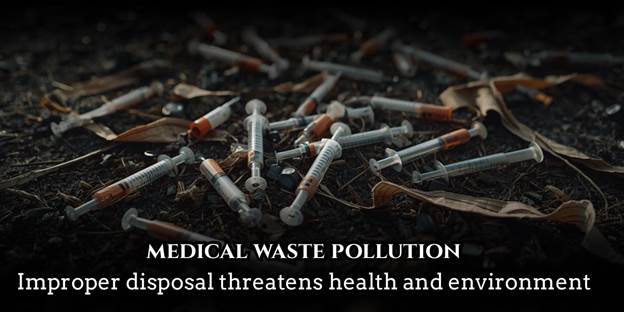
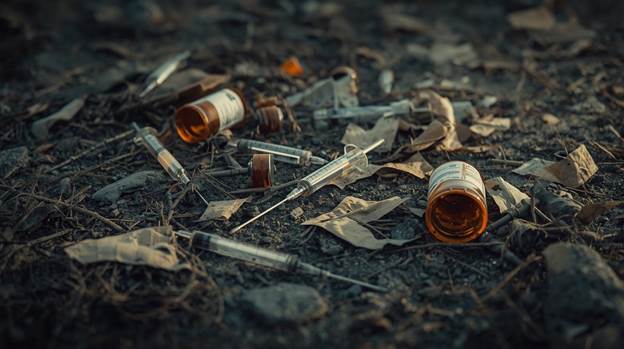
Medical waste pollution is the contamination of the environment and human habitats due to improper disposal of healthcare materials. This includes syringes, bandages, pharmaceuticals, sharps, and laboratory residues. When these wastes are not managed correctly, they can introduce dangerous pathogens, chemicals, and toxic substances into soil, water, and air. Hospitals, clinics, and households generate substantial quantities of waste daily, yet lack of proper treatment allows harmful elements to persist, creating long-term health and environmental hazards.
Background and History
Medical waste pollution has been a concern since healthcare systems expanded in the 20th century. Urbanization, population growth, and industrialization increased waste generation, while disposal methods lagged behind.
Early Practices and Risks
- Open dumping in rivers, streets, or public spaces
- Burning without proper filtration, releasing toxins
- Mixing medical waste with household garbage
These practices led to widespread soil contamination, waterborne diseases, and public health crises.
Regulatory Evolution
- Introduction of biohazard labeling and segregation at source
- Development of incineration and sterilization techniques
- Global guidelines for safe disposal practices
Types of Medical Waste
Understanding the categories of medical waste is critical for effective management and risk reduction.
Infectious Waste
- Contaminated syringes, gloves, and dressings
- Used cultures, laboratory samples, and blood-soaked materials
- Waste capable of spreading bacterial or viral infections
Chemical and Pharmaceutical Waste
- Expired or unused medications
- Laboratory chemicals and disinfectants
- Heavy metals from equipment like thermometers and batteries
Sharps Waste
- Needles, scalpels, and broken glass vials
- Any object that can physically injure and transmit infections
- Proper containment is crucial to prevent needle-stick injuries
General and Non-Hazardous Waste
- Paper, packaging, and non-contaminated plastics
- Food and kitchen waste from healthcare facilities
- Often overlooked but requires proper segregation to prevent contamination
Importance of Proper Waste Management
Proper management of medical waste pollution is essential for public health, environmental safety, and sustainability.
Protecting Human Health
- Reduces spread of infectious diseases like hepatitis or HIV
- Minimizes injuries from sharps and contaminated items
- Limits long-term exposure to toxic chemicals
Environmental Protection
- Prevents soil, water, and air pollution
- Reduces emissions from uncontrolled burning
- Supports sustainable healthcare practices
Economic and Social Benefits
- Lower treatment costs for waste-related diseases
- Promotes recycling and resource recovery
- Enhances trust in healthcare facilities and public awareness
Despite advancements, several obstacles prevent effective control of medical waste.
Challenges in Managing Medical Waste
Lack of Awareness
- Many healthcare workers are not fully trained in proper disposal
- Households often discard medications and sharps improperly
Infrastructure Limitations
- Rural and developing areas may lack incineration plants
- Insufficient transport and storage facilities for hazardous materials
Regulatory Gaps
- Weak enforcement of medical waste laws
- Inconsistent protocols across hospitals and clinics
Consequences of Poor Management
- Water pollution from untreated pharmaceutical residues
- Increased rates of infections in communities near hospitals
- Soil contamination from heavy metals and chemical waste
Strategies for Reducing Medical Waste Pollution
Medical waste pollution was Effective strategies combine awareness, technology, and strict adherence to regulations.
Segregation at Source
- Separate infectious, chemical, and general waste immediately
- Use color-coded bins for clarity and safety
- Train staff and households on correct procedures
Safe Treatment and Disposal
- Incineration for highly infectious waste
- Autoclaving for sterilizing reusable materials
- Chemical treatment for pharmaceuticals
Community Education
- Programs for safe disposal of expired drugs
- Encourage medicine take-back initiatives
- Promote recycling and safe disposal practices
Technological Innovations
- Eco-friendly sterilization methods
- Digital tracking of medical waste
- Waste-to-energy systems to reduce environmental impact
Conclusion
Medical waste pollution remains a hidden but significant threat to human health and the environment, affecting communities and ecosystems worldwide. This article highlighted the types, risks, challenges, and effective strategies for managing medical waste safely. Proper disposal, awareness programs, and sustainable waste management practices are crucial to minimize contamination and long-term hazards. By taking proactive measures and supporting innovative solutions, both healthcare facilities and individuals can contribute to a cleaner, safer environment. Stay informed, adopt safe practices, and explore ways to reduce medical waste for a healthier future