From the air we breathe to the water that sustains life, natural resources form the invisible foundation of every living system on Earth. Often overlooked, this hidden economy quietly fuels industries, supports biodiversity, and drives human progress. Without forests, minerals, sunlight, and oceans, our planet’s balance would collapse making these resources the real currency of survival.
Table of Contents
In this article, we’ll explore how nature’s wealth powers global ecosystems, why resource conservation matters more than ever, and how sustainable development can protect this delicate network. By understanding the unseen flow of energy and materials that keeps our world thriving, we can begin to value what truly sustains us.
Understanding Natural Resources: The Foundation of Life
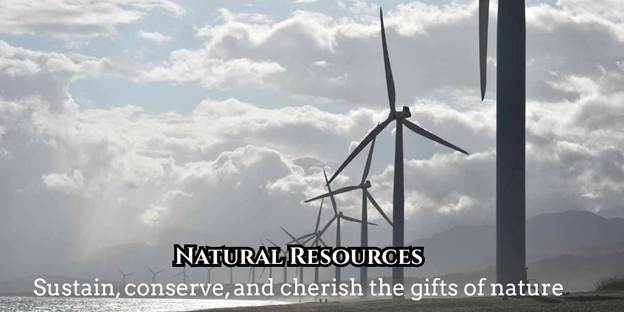
Natural resources are the gifts of nature that sustain life and drive global development. They include everything from water, forests, minerals, and soil to air, sunlight, and fossil fuels. These resources are categorized as renewable and non-renewable. Renewable ones like wind, sunlight, and water can naturally replenish over time, while non-renewable ones, such as oil and coal, take millions of years to form. Without these essentials, no civilization, economy, or ecosystem could survive.
The Historical Perspective
Since ancient times, human societies have depended on nature for food, shelter, and energy. Early civilizations developed near fertile lands and rivers because of their abundant resources. As populations grew, the demand for these natural assets increased.
The Industrial Revolution marked a turning point, introducing machines powered by coal and oil resources that changed the world forever. However, this progress also triggered massive exploitation of the planet’s limited supplies.
Importance of Natural Resources in Modern Life
Every product, service, and technology we rely on is linked to natural resources in some way. From electricity generation to agriculture and manufacturing, these materials fuel the global economy.
Key roles include:
- Energy Production: Coal, oil, natural gas, and sunlight power homes, industries, and transportation.
- Economic Growth: Countries rich in minerals and forests often enjoy strong industrial sectors.
- Food and Agriculture: Fertile soil and freshwater support farming and livestock.
- Biodiversity Support: Forests and oceans host diverse ecosystems vital for life balance.
The Invisible Economic Engine
Natural resources act as an unseen economy one that works silently beneath the surface. Every nation’s wealth and sustainability depend on how well these resources are managed. The extraction, trade, and use of natural materials shape global markets and influence international relations. For example, oil-exporting countries like Saudi Arabia or mineral-rich nations such as Australia have economies deeply tied to their natural reserves.
Environmental and Economic Benefits
Protecting and using natural resources responsibly brings multiple advantages:
• Reduces pollution and environmental degradation
• Ensures long-term resource availability
• Creates job opportunities in green energy and conservation sectors
• Enhances ecosystem health and biodiversity
• Supports human health through cleaner air, water, and soil
Related Article: https://blogbullion.com/runoff-vs-infiltration/
Challenges Facing Natural Resources
Despite their importance, the planet’s resources are under immense stress due to overconsumption and mismanagement. Major challenges include:
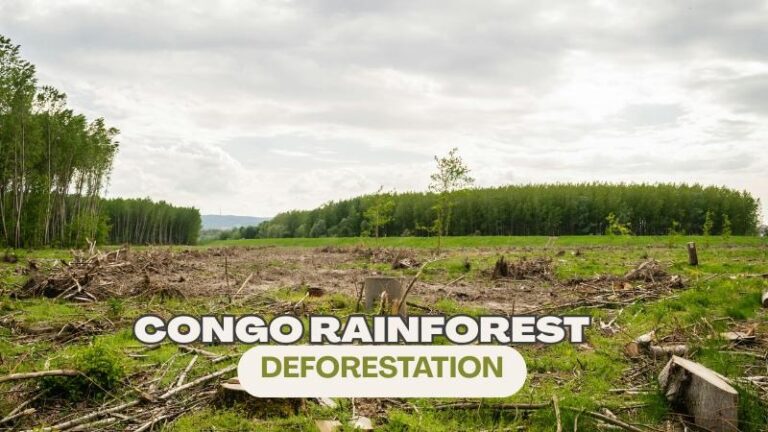
- Overexploitation: Excessive mining, deforestation, and fishing threaten ecosystems.
- Pollution: Industrial and agricultural waste contaminates water and soil.
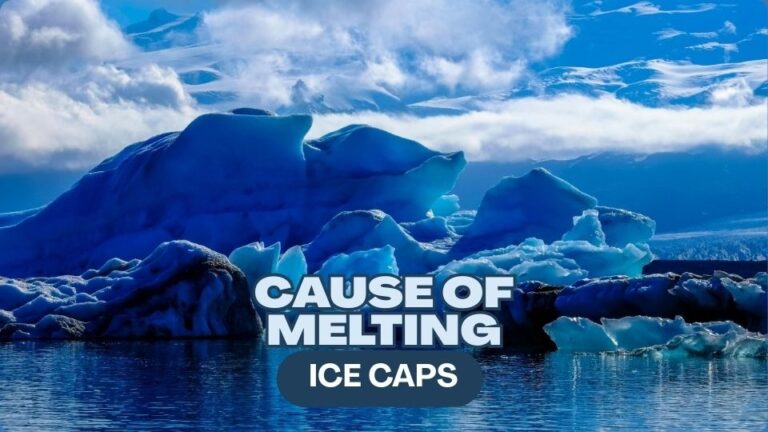
- Climate Change: Global warming alters weather patterns, reducing freshwater and crop yields.
- Population Growth: Rising demand increases strain on limited natural reserves.
- Unequal Distribution: Some regions suffer scarcity while others overuse their abundance.
Sustainable Management and Conservation
Sustainability means meeting current needs without compromising the ability of future generations to meet theirs. Proper management of natural resources can ensure this balance. Governments, businesses, and individuals must work together for effective conservation.
Essential strategies include:
• Recycling and Reuse: Minimizes waste and conserves raw materials.
• Renewable Energy Adoption: Using solar, wind, and hydro energy reduces dependence on fossil fuels.
• Afforestation and Reforestation: Planting trees restores habitats and improves air quality.
• Water Conservation: Techniques like rainwater harvesting ensure long-term supply.
• Eco-friendly Technologies: Encourage industries to adopt cleaner production methods.
Real-World Examples
- Costa Rica: Known for its renewable energy efforts, the country generates over 95% of its electricity from natural sources.
- Norway: Efficiently manages oil revenues through its Sovereign Wealth Fund, ensuring economic stability for future generations.
- India: Promotes forest restoration and clean energy through national programs like the Green India Mission.
- Kenya: Investing in geothermal power has helped reduce dependence on imported fuels.
The Human Role in Protecting Nature
Every person contributes to either the preservation or depletion of the planet’s natural wealth. Simple lifestyle choices can have long-term impacts. For instance:
• Use public transportation to cut carbon emissions
• Reduce plastic waste through recycling
• Support eco-friendly brands and products
• Educate others about sustainable living
The Future of Natural Resources
The future of the planet depends on how wisely humanity manages its natural resources. As global awareness grows, more countries are adopting eco-friendly policies and sustainable technologies. Transitioning to a circular economy where waste becomes a resource can reshape industries and protect the Earth’s natural wealth.
Conclusion
In summary, natural resources are the true pillars that sustain life, power economies, and maintain environmental balance. From energy production to food supply, every aspect of modern living depends on the responsible use of these natural assets. To preserve our planet’s future, it’s vital to promote sustainability, protect ecosystems, and reduce waste. The choices we make today will define the world we leave for tomorrow. Let’s stay informed, explore greener alternatives, and take small but meaningful steps toward a more sustainable and resource-secure planet.