In a rapidly changing world, finding nature harmony has become essential for restoring balance between human progress and the environment. As urbanization expands and natural resources face growing pressure, reconnecting with the Earth’s rhythms is vital for a healthier planet and society. Through the integration of ecological balance, biodiversity preservation, and sustainable living, individuals and communities can create a future where nature and development coexist peacefully.
This article explores how aligning with nature’s systems not only supports environmental stability but also enhances human well-being, inspiring a collective journey toward long-term ecological harmony.
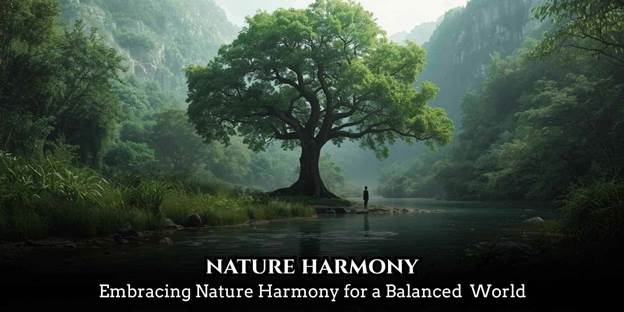
Understanding Nature Harmony
What Is Nature Harmony
Nature harmony is the balanced coexistence between humans and the environment, supporting ecological balance and biodiversity preservation. It promotes responsible resource use and mindful living, allowing societies to achieve sustainable development while protecting the planet for future generations.
Historical Background
The concept of nature harmony began with ancient civilizations that valued sustainable living and respect for nature. Although industrialization disrupted this balance, growing environmental awareness has revived efforts to restore harmony between humans and the Earth.
Importance of Nature Harmony
Environmental Stability
Maintaining nature harmony ensures that ecosystems remain resilient and capable of supporting life. Balanced ecosystems regulate climate, purify air and water, and sustain diverse species. When humans respect these natural processes, environmental health improves, leading to cleaner surroundings and reduced natural disasters caused by human interference.
Human Well-Being
The connection between humans and nature significantly affects physical and mental health. Spending time in green spaces lowers stress, enhances creativity, and strengthens emotional well-being. Living in harmony with nature encourages mindfulness and gratitude, promoting a peaceful and balanced lifestyle.
Sustainable Growth
Achieving nature harmony allows societies to grow economically without harming the planet. Sustainable agriculture, renewable energy, and eco-friendly technologies help reduce resource depletion. This balance ensures that future generations inherit a world rich in natural resources and biodiversity, fostering long-term sustainable development.
Benefits of Nature Harmony
Ecological and Social Advantages
Embracing harmony with nature yields numerous benefits for both the environment and society:
•Restoration of biodiversity and wildlife habitats
•Improved soil fertility and cleaner water sources
•Lower carbon emissions and pollution levels
•Enhanced community health through access to green spaces
•Promotion of sustainable living practices
Economic Opportunities
Eco-friendly initiatives inspired by nature harmony create new business prospects. Green technologies, renewable energy industries, and sustainable tourism all contribute to job creation and economic growth. Countries investing in these sectors enjoy cleaner environments and stronger economies, proving that sustainability and prosperity can coexist.
Cultural and Educational Impact
Living in nature harmony also reconnects people with their cultural roots. Traditional knowledge about farming, herbal medicine, and water conservation reflects deep respect for natural systems. Modern education is now incorporating environmental ethics, teaching younger generations the importance of protecting the Earth and its ecosystems.
Related Article: The Science of Nature Harmony: How Ecosystems Maintain Balance and Biodiversity
Challenges to Achieving Nature Harmony
Industrialization and Urbanization
Rapid industrial growth often leads to pollution, habitat destruction, and excessive resource consumption. Urban areas expand at the cost of forests and wetlands, reducing green cover and wildlife habitats. Balancing economic growth with ecological preservation remains a major global challenge.
Climate Change
Rising global temperatures and extreme weather events threaten nature harmony by disrupting ecosystems and food chains. Melting glaciers, droughts, and wildfires endanger both humans and animals. Immediate action through renewable energy adoption and emission control is crucial to restore equilibrium.
Human Negligence
Lack of awareness and careless consumption patterns further damage the environment. Overuse of plastics, deforestation, and waste dumping disturb natural cycles. Promoting environmental awareness and community participation can help people take responsibility for protecting the planet.

Examples of Nature Harmony in Action
Reforestation Projects
Countries like Costa Rica and India have shown how reforestation strengthens nature harmony. By restoring native forests, they’ve revived biodiversity, improved rainfall patterns, and absorbed carbon dioxide effectively.
Sustainable Agriculture
Farmers adopting organic farming and permaculture methods maintain soil fertility and reduce chemical pollution. These practices promote sustainable living while ensuring food security.
Renewable Energy Innovations
Nations transitioning to renewable energy sources like solar and wind power demonstrate harmony between progress and preservation. This shift not only reduces dependence on fossil fuels but also supports global climate goals.
Community-Led Conservation
Local communities worldwide are embracing eco-friendly initiatives such as waste recycling, tree planting, and wildlife protection. These efforts highlight how collective action fosters environmental restoration and strengthens ecological balance.
Ways to Promote Nature Harmony
Individual Actions
Every person can contribute to nature harmony through simple lifestyle choices:
•Reduce plastic use and recycle responsibly
•Conserve water and electricity
•Support eco-friendly brands and products
•Plant trees and maintain green spaces
•Educate others about environmental care
Government and Corporate Roles
Governments and corporations also play a key role by adopting sustainable policies and practices:
•Invest in renewable energy infrastructure
•Enforce environmental protection laws
•Encourage green innovation in industries
•Support conservation and reforestation programs
•Collaborate with global sustainability organizations
Moving Forward with Nature Harmony
Achieving nature harmony requires collective effort and mindful choices. By promoting sustainable development, using clean energy, and practicing eco-conscious living, humanity can restore balance with the environment. Living in harmony with nature is both a moral duty and a commitment to protect Earth’s legacy for future generations.
Conclusion
In conclusion, fostering nature harmony is essential for maintaining balance between human development and the environment. It ensures cleaner ecosystems, supports sustainable living, and strengthens ecological balance for future generations. By making mindful lifestyle choices and supporting green initiatives, individuals and communities can help restore the planet’s natural rhythm. To secure a healthier world, stay informed, take small daily actions, and be part of the growing global movement toward environmental harmony and sustainability.