Seed preservation is more than just storing seeds; it’s about safeguarding the very foundation of life on Earth. Seeds hold the genetic potential of all plant species, making them vital for food security, environmental stability, and agricultural innovation. In an age where biodiversity loss and climate change are accelerating, seed preservation plays a crucial role in protecting plant diversity for future generations.
Table of Contents
This article explores what seed preservation means, its importance, methods, benefits, and the challenges it faces in a rapidly changing world. By understanding how this process works, we can appreciate its role in sustaining ecosystems, ensuring global food supplies, and promoting environmental resilience.
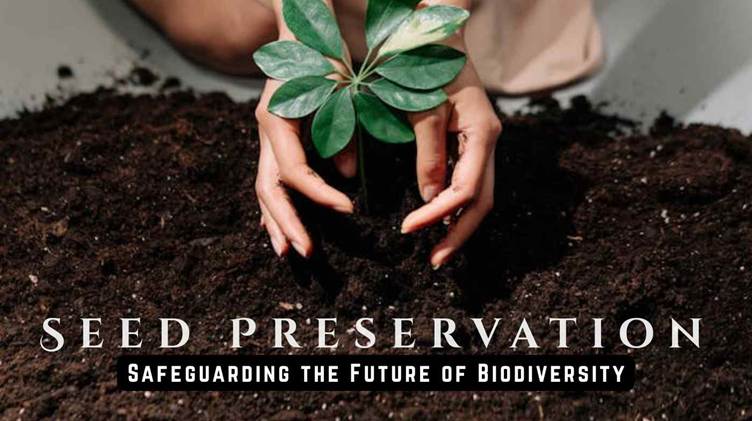
Understanding Seed Preservation
Seed preservation refers to the practice of collecting, drying, and storing seeds under controlled conditions to maintain their viability for future use. This process helps in conserving plant species, ensuring that valuable genetic material is available for replanting and research. Historically, early farmers began storing seeds thousands of years ago to ensure consistent food production. However, with industrialization and modern agriculture, the importance of organized seed conservation and gene banks became more apparent.
Related Article: Best LED Grow Lights for Starting Seeds: Scientific PAR Ratings That Accelerate Growth
Modern seed preservation techniques include both ex situ methods (storage in seed banks or vaults) and in situ methods (protecting plants in their natural habitats). These methods together form a powerful defense system for global biodiversity.
The Importance of Seed Preservation
The need for seed preservation has never been greater. Seeds are the foundation of food, medicine, and ecosystems. Without them, agriculture and biodiversity would collapse.
1. Safeguarding Biodiversity
Each seed carries unique genetic traits that contribute to a plant’s survival and adaptability. Preserving seeds ensures that even rare or endangered species remain protected.
2. Ensuring Food Security
With growing populations and changing climates, preserving seeds ensures we have resilient crop varieties capable of adapting to new environmental challenges.
3. Supporting Climate Adaptation
Seed preservation helps scientists and farmers develop plants that can withstand droughts, floods, and temperature fluctuations caused by climate change.
Methods of Seed Preservation
1. Ex Situ Conservation
This method involves storing seeds outside their natural environment. Examples include:
- Seed Banks: Facilities like the Svalbard Global Seed Vault store millions of seed samples in cold, dry conditions to preserve them for centuries.
- Cryopreservation: Seeds are frozen at extremely low temperatures using liquid nitrogen, which helps maintain genetic stability for long periods.
2. In Situ Conservation
In this method, seeds are preserved within their natural habitats. This allows plants to continue evolving in response to environmental changes, maintaining ecological balance.
3. Community Seed Banks
Local farmers and organizations maintain community seed banks to preserve indigenous and traditional crop varieties. This approach supports sustainable agriculture and promotes food sovereignty.
Benefits of Seed Preservation
The benefits of seed preservation extend beyond mere conservation they support ecological, social, and economic resilience.
- Biodiversity Protection: It conserves the genetic diversity of plants necessary for breeding and research.
- Disaster Recovery: After natural or man-made disasters, preserved seeds help restore damaged ecosystems.
- Sustainable Agriculture: Access to a wide variety of seeds enables farmers to cultivate crops that thrive under specific environmental conditions.
- Scientific Research: Preserved seeds are used by scientists to study genetic traits and develop disease-resistant or high-yield crop varieties.
Challenges in Seed Preservation
While seed preservation is crucial, it faces numerous challenges that threaten its success.
1. Climate Change and Environmental Factors
Extreme weather, rising temperatures, and natural disasters can damage seed banks or affect the quality of stored seeds.
2. Technological and Financial Barriers
Maintaining advanced storage facilities requires technology and funding, which are often lacking in developing countries.
3. Genetic Erosion
When traditional crop varieties are replaced by genetically uniform modern crops, valuable genetic diversity is lost, making seed preservation even more critical.
4. Policy and Legal Issues
International policies around seed ownership and access can limit global collaboration, slowing conservation efforts.

Real-World Examples of Successful Seed Preservation
1. Svalbard Global Seed Vault (Norway)
Often called the “Doomsday Vault,” it stores over a million seed varieties from around the world. It acts as a global insurance policy for agriculture in case of global catastrophes.
2. National Bureau of Plant Genetic Resources (India)
India’s largest seed preservation facility holds thousands of seed samples to support sustainable agriculture and biodiversity conservation.
3. Community Initiatives in Africa and Asia
Local farmers are actively preserving native seed varieties, ensuring food security while protecting indigenous agricultural practices.
The Future of Seed Preservation
With the rise of biotechnology, seed preservation is entering a new era. Scientists are combining traditional methods with advanced technologies such as digital databases, genetic sequencing, and cryogenics. Global collaborations and policies promoting biodiversity will shape the next phase of conservation.
To ensure long-term success, greater awareness, investment, and education about seed preservation are essential. Protecting seeds today means protecting the future of life itself.
Conclusion
In conclusion, seed preservation is the foundation of biodiversity and food security. It ensures that future generations inherit a planet rich in plant diversity, capable of adapting to environmental changes. By investing in seed conservation, supporting local farmers, and promoting sustainable practices, humanity can secure a resilient and abundant future. The simple act of preserving a seed today could determine the survival of species tomorrow so let’s protect them while we still can.
1: What is seed preservation and why is it important?
Seed preservation is the process of collecting and storing seeds to protect plant diversity. It’s important because it ensures food security, supports sustainable agriculture, and safeguards biodiversity for future generations.
2: How are seeds preserved for long periods?
Seeds are preserved using techniques like cold storage, cryopreservation, and seed banking under controlled temperature and humidity to maintain their viability for decades or even centuries.
3: What are some famous examples of seed preservation efforts?
The Svalbard Global Seed Vault in Norway and India’s National Bureau of Plant Genetic Resources are well-known examples that store millions of seed varieties to protect global crop diversity.