Seed preservation is the practice of collecting, drying, storing, and protecting seeds to maintain their ability to germinate over months, years, or even centuries. Whether you are a backyard gardener saving tomato seeds for next spring or a scientist working inside an underground Arctic vault, the goal remains the same: keep genetic material alive and accessible for the future.
Table of Contents
Why does this matter right now? Climate change and conflict threaten infrastructure and impact food security for hundreds of millions of people across dozens of countries worldwide. Without deliberate efforts to protect seeds, irreplaceable crop varieties could vanish before anyone realizes their potential. This guide walks you through every aspect of the practice, from basic principles you can apply at home to the large-scale global systems designed to protect humanity’s food supply.
What Is Seed Preservation and Why Is It Important?
Seed preservation refers to any method used to maintain the viability and genetic integrity of seeds over time. It is important because seeds carry the genetic blueprints for every food crop, medicinal plant, and wild species on the planet.
Genetic diversity provides the raw materials for selecting and improving plant traits such as resistance to pests, diseases, and environmental stresses. When a seed variety disappears, the unique combination of genes it carried is gone permanently. No amount of biotechnology can recreate what took nature thousands of years to develop.
There are several reasons this practice deserves urgent attention:
- Food security: The global population continues to grow, and agriculture needs diverse genetic resources to breed crops that can withstand new challenges.
- Climate adaptation: Rising temperatures and shifting rainfall patterns demand crop varieties that can tolerate drought, heat, and flooding.
- Cultural heritage: Many seed varieties represent centuries of traditional farming knowledge passed down through generations.
- Ecological balance: Wild plant species depend on seed survival to maintain healthy ecosystems.
The Science Behind Seed Longevity
Understanding how seeds stay alive during storage is essential for effective seed saving.
Seeds are classified into three main categories: orthodox seeds that tolerate dehydration, recalcitrant seeds that contain high moisture and cannot withstand intensive drying, and intermediate seeds that survive dehydration but struggle during dry storage at low temperatures.
Moisture Content
Moisture is the single biggest enemy of stored seeds. When seeds retain too much internal water, metabolic processes continue at a slow rate, gradually consuming the energy reserves the seed needs to germinate. For orthodox seeds, the lower the moisture content and storage temperature, the longer the seed remains viable.
Temperature
Cool temperatures slow down cellular activity inside the seed, effectively putting it into deeper dormancy. As a general rule, storing seeds at 40 degrees Fahrenheit (about 4 degrees Celsius) or lower is considered optimal for long-term viability.
Oxygen Exposure
Oxygen drives oxidation reactions that damage cell membranes, proteins, and DNA inside the seed. Reducing oxygen exposure through airtight containers or vacuum sealing significantly extends storage life.
How to Preserve Seeds at Home
Home seed saving is straightforward once you understand the core principles of keeping seeds cool, dry, and protected from light and pests.
Step 1: Choose the Right Seeds
Not every seed is worth saving. Heirloom plant varieties are the best choice because they are stabilized, meaning the seeds will grow plants with the same characteristics as the parent. Modern hybrid seeds, on the other hand, often produce unpredictable offspring or may be sterile altogether.
Step 2: Harvest and Dry Properly
Timing your harvest matters. Seeds should be collected when they are fully mature but before the plant drops them naturally. For fleshy fruits like tomatoes and peppers, scoop out the seeds and rinse them clean before drying.
Root vegetables and leafy greens need to be allowed to bolt meaning you let them flower and produce seeds before collecting. Spread harvested seeds on a paper plate or screen in a well-ventilated area away from direct sunlight. Allow them to air dry for one to two weeks.
Step 3: Store in Airtight Containers
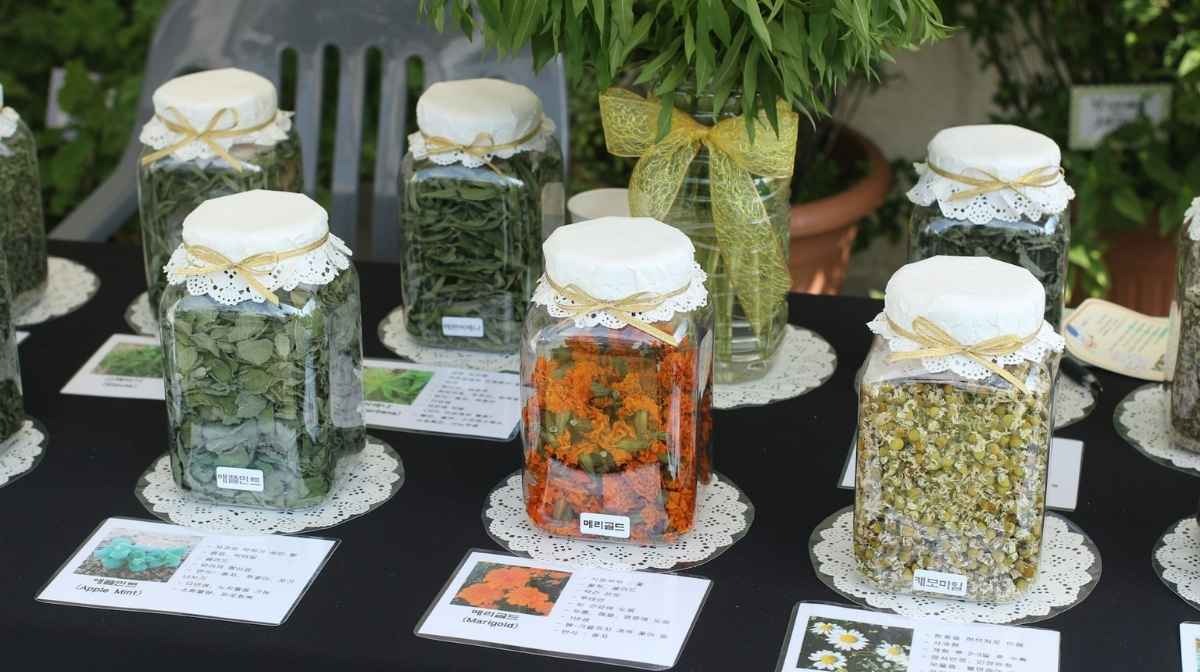
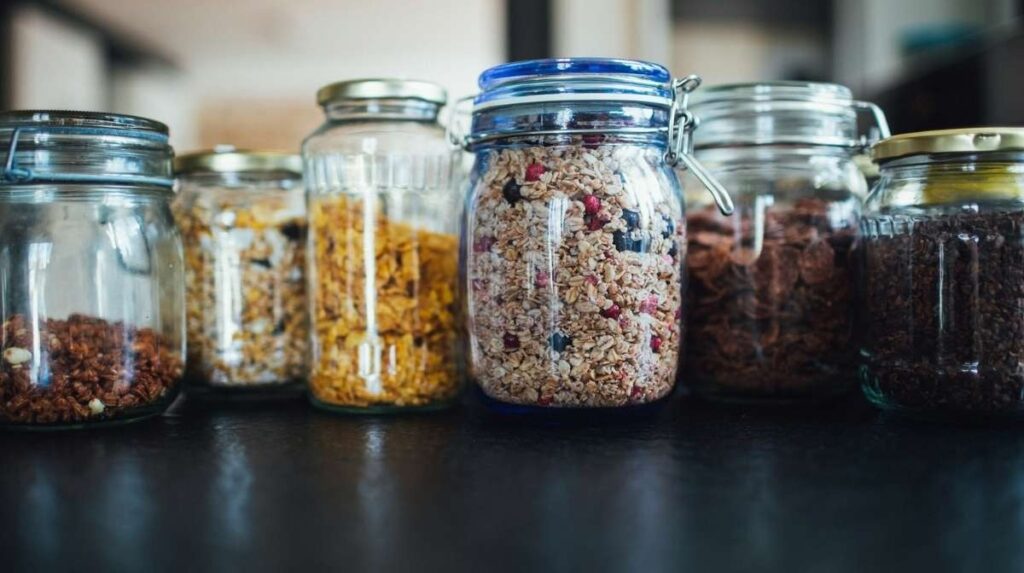
Mason jars are a great option for storing seeds, whether loose or still in packets. Seeds can also be organized in sealable plastic bags and then placed inside a larger container for extra protection.
If humidity is a concern in your area, toss a few silica gel packets into each container to absorb excess moisture. These packets are inexpensive, widely available online, and reusable across multiple seasons.
Step 4: Keep Them Cool and Dark
A refrigerator set to around 40°F works well for most home growers. When removing airtight containers from the fridge, it is important to let them reach room temperature before opening to prevent condensation from forming on the seeds.
If refrigerator space is limited, a cool, dark closet or basement that stays below 55 to 60 degrees Fahrenheit will work for shorter storage periods. The most important thing is to avoid temperature swings, which can trick seeds into beginning their germination process prematurely.
Global Seed Banks: Preservation on a Massive Scale
While home seed saving protects individual gardens, global seed banks aim to safeguard the entire planet’s agricultural heritage.
The Svalbard Global Seed Vault
Located deep inside a mountain on the Norwegian island of Spitsbergen in the Arctic, the Svalbard Global Seed Vault is the world’s largest backup facility for crop diversity. As of June 2025, it conserves over 1.35 million accessions from gene banks around the globe, with capacity to store up to 4.5 million seed samples.
The vault provides long-term storage for duplicate seeds, offering security against loss caused by mismanagement, accidents, equipment failures, funding cuts, war, sabotage, disease, and natural disasters. Storing seeds there is completely free for depositors, and ownership remains with the institution that sent them.
The vault’s importance was underscored in recent years when conflict zones relied on it as a safety net. In early 2025, more than 2,000 seed samples rescued from Sudan’s national gene bank were deposited in the vault, alongside 12,000 other samples from 22 seed banks. Sudan’s gene bank had been looted and damaged during the country’s civil war.
The Millennium Seed Bank
Run by the Royal Botanic Gardens at Kew in the United Kingdom, the Millennium Seed Bank (MSB) focuses on wild plant species rather than agricultural crops. Working with partners across 97 countries and overseas territories, Kew scientists have successfully banked over 40,000 species of plants.
The MSB’s initial drying room is kept at 18°C with 15% relative humidity a process that alone increases a seed’s lifespan by around 40 times. After drying, seeds are cleaned, quality tested through X-rays or cut tests, and then sealed in airtight containers before being placed in deep freeze storage.
National Gene Banks
The United States maintains the National Plant Germplasm System (NPGS), a collaborative effort between state, federal, and private entities that holds over 400,000 accessions from more than 10,000 species. Similar national programs exist in China, India, Brazil, Russia, and many other countries, each contributing to a global network of preserved genetic diversity.
Cryopreservation: The Frontier of Seed Storage
Not all seeds respond well to traditional drying and freezing methods. Recalcitrant seeds such as those from many tropical tree species lose viability when dehydrated. This is where cryopreservation steps in.
Cryopreservation involves rapidly drying seeds or seed tissues and then plunging them into liquid nitrogen at approximately minus 196 degrees Celsius. At these extreme temperatures, all biological activity stops completely, allowing indefinite storage in theory.
Scientists at the Millennium Seed Bank Partnership are actively developing cryopreservation techniques to safeguard species that cannot be banked through conventional methods, including ferns and other plants that do not produce seeds at all.
Research published in recent years suggests that cryopreservation may also help preserve the seeds of intermediate species that fall between orthodox and recalcitrant categories, further expanding the range of plants that can be protected long term.
The Role of Seed Preservation in Climate Resilience
Climate change is reshaping growing conditions around the world. Droughts are intensifying, rainfall patterns are shifting, and new pest and disease pressures are emerging. Preserved seed collections hold the key to breeding crop varieties that can handle these challenges.
When plant breeders need to develop a drought-tolerant wheat variety, for example, they turn to gene banks to access wild wheat relatives that evolved in arid climates. Without seeds from these wild populations, that genetic toolkit would not exist.
Recent data from the Crop Trust underscores this urgency: 2023 was the hottest year since global records began, and yields of the main cereals in sub-Saharan Africa remain less than half of the world average. Diverse seed collections offer a practical path toward closing that gap and building more resilient food systems.
Common Mistakes to Avoid in Seed Saving
Even experienced gardeners and small-scale seed savers make errors that reduce seed viability. Here are the most frequent pitfalls:
- Storing seeds before they are fully dry. Residual moisture leads to mold growth and premature germination.
- Using non-airtight containers. Paper envelopes alone are not sufficient for long-term storage because they allow moisture and air to pass through.
- Ignoring temperature fluctuations. Fluctuations can mimic changing seasons, which may prematurely trigger a seed to begin organizing proteins for sprouting and once that process starts, the seed cannot return to dormancy.
- Saving hybrid seeds. Hybrid offspring are genetically unstable and often produce disappointing results in the next generation.
- Forgetting to label. Always note the variety name, harvest date, and any relevant growing conditions on every container.
The Future of Seed Saving
Technology is rapidly transforming how the world protects its botanical heritage. Artificial intelligence is being used to monitor storage conditions in real time, detecting temperature or humidity shifts before they damage collections. Blockchain technology is being explored to improve the traceability of seed accessions across global networks.
Organizations like Seed Savers Exchange in the United States continue to play a vital role as well, having deposited seeds in the Svalbard Vault every single year since it opened in 2008. Grassroots efforts like these complement large institutional programs by preserving heirloom and open-pollinated varieties that might otherwise be overlooked.
Community seed libraries are also gaining popularity in towns and cities worldwide. These informal exchanges allow gardeners to share locally adapted varieties, building resilience at the neighborhood level while strengthening awareness of why seed diversity matters.
Conclusion
Seed preservation is one of the most important yet underappreciated practices in agriculture and conservation. From a mason jar in your kitchen to the frozen corridors of the Svalbard Global Seed Vault, every effort to keep seeds viable contributes to a more food-secure, climate-resilient, and genetically diverse future.
Whether you start by saving a handful of heirloom tomato seeds this season or support organizations like the Crop Trustworking to protect global crop diversity, you are participating in something much larger than a single garden. The seeds we protect today determine what humanity can grow tomorrow.
Take action now: try saving seeds from one heirloom variety in your garden this year, and share this guide with fellow growers who want to make a difference.
What is the best way to preserve seeds at home?
The most effective home method is to dry seeds thoroughly, place them in airtight containers such as mason jars with silica gel packets, and store them in a cool, dark location at or below 40°F. A refrigerator or freezer works well for most orthodox seed types.
How long can preserved seeds remain viable?
Lifespan varies widely by species. Many vegetable seeds stay viable for three to five years under proper conditions, while some species have been known to germinate after decades or even centuries. Research at Michigan State University has documented germination in seeds stored for over 120 years.
What is the Svalbard Global Seed Vault?
The Svalbard Global Seed Vault is a secure backup facility on the Norwegian island of Spitsbergen that stores duplicate seeds from gene banks around the world to protect global crop diversity against loss from disasters, conflict, or other threats.
Can all seeds be preserved through drying and freezing?
No. Recalcitrant seeds which include many tropical species like cocoa and avocado cannot tolerate dehydration and require alternative methods such as cryopreservation in liquid nitrogen. Intermediate seeds also present unique storage challenges.
Why should home gardeners care about seed saving?
Saving seeds reduces dependence on commercial suppliers, preserves locally adapted plant varieties, saves money over time, and contributes to broader genetic diversity. It also helps maintain heirloom varieties that carry cultural and historical significance.
What is the difference between a seed bank and a seed library?
A seed bank is a formal scientific facility that stores seeds under controlled conditions for long-term conservation. A seed library is a community-based exchange where gardeners can borrow and return seeds, focusing on local adaptation and public education rather than long-term cryogenic storage.