
Reducing plastic use at home isn’t just an environmental trend it’s becoming essential for protecting our planet and our health. As someone who has spent fifteen years studying plastic pollution and its effects on ecosystems, I’ve seen firsthand how small changes in daily habits create meaningful impact. The good news? The journey toward a plastic free home doesn’t require drastic changes all at once.
This guide walks you through practical, tested strategies for cutting down on single-use plastics, embracing sustainable living practices, and making eco-friendly swaps that actually stick. From your kitchen to your bathroom, you’ll discover simple zero-waste alternatives and plastic-free products that save money while helping the environment. Let’s explore what truly works.
Understanding Why Reducing Plastic Use at Home Has Become Essential
Before tackling solutions, it’s worth understanding the scale of household plastic consumption. The typical family uses hundreds of plastic items weekly, from food packaging to cleaning supplies. Most of these items get used once before heading to the trash.
Different plastic materials require between 20 and 500 years to break down completely in the environment. During this time, it breaks into microplastics that contaminate soil, water, and even the air we breathe. Research shows microplastics have been found in human blood, raising serious health concerns about long-term exposure.
Why Reducing Plastic Use at Home Matters
Taking steps toward reducing plastic use at home directly impacts environmental preservation. When fewer plastic products enter circulation, less petroleum gets extracted, manufacturing emissions decrease, and wildlife faces reduced risk of entanglement or ingestion.
Beyond environmental benefits, families often discover financial savings. Reusable products, though sometimes pricier upfront, eliminate ongoing purchases of disposable alternatives. Many households report saving several hundred dollars annually after switching to sustainable options.
Room by Room Strategies for Reducing Plastic Use at Home
Kitchen Swaps That Make a Difference
The kitchen produces more plastic waste than any other room. Food packaging, plastic wrap, and disposable containers accumulate quickly without conscious effort.
Start by examining your shopping habits. Bringing reusable produce bags and shopping totes eliminates dozens of plastic bags monthly. Several supermarkets provide bulk shopping areas allowing customers to bring their own containers for grains, nuts, and spices.
Consider these effective kitchen changes:
- Replace plastic wrap with beeswax wraps or silicone lids that last for years
- Switch to glass or stainless steel food storage containers instead of plastic ones
- Choose bar dish soap over liquid soap in plastic bottles
- Buy beverages in glass bottles or aluminum cans which recycle more efficiently
- Use cloth towels instead of paper towels wrapped in plastic packaging
Bathroom and Personal Care Transformations
Bathrooms often overflow with plastic bottles, tubes, and packaging. Shampoo, conditioner, body wash, and skincare products typically come in single-use plastic containers.
The beauty industry has responded to consumer demand with plastic free alternatives. Shampoo bars and conditioner bars work just as effectively as their liquid counterparts while eliminating bottle waste entirely. One shampoo bar typically equals two to three plastic bottles worth of product.
Bamboo toothbrushes offer another simple swap. Given that dentists recommend replacing toothbrushes every three months, a single person uses approximately 300 plastic toothbrushes in their lifetime. Bamboo handles biodegrade naturally, leaving only the bristles for disposal.
Laundry Room Improvements
Reducing plastic use at home extends to how we wash our clothes. Traditional laundry detergent comes in large plastic jugs, and fabric softener sheets contain synthetic materials.
Laundry detergent sheets or powder in cardboard packaging clean clothes effectively without plastic waste. Wool dryer balls replace single-use dryer sheets and last for thousands of loads. These natural alternatives also work well for people with sensitive skin who react to chemical-laden products.
Overcoming Common Challenges
Budget Constraints and Accessibility
Not everyone can afford expensive eco-friendly products immediately. The key is making gradual transitions. Each time a plastic product runs out, replace it with a sustainable alternative rather than purchasing everything at once.
Thrift stores and online marketplaces offer secondhand glass containers and reusable items at fraction of retail prices. Many communities have zero waste shops where buying in bulk costs less than packaged alternatives.
Family Resistance and Habit Changes
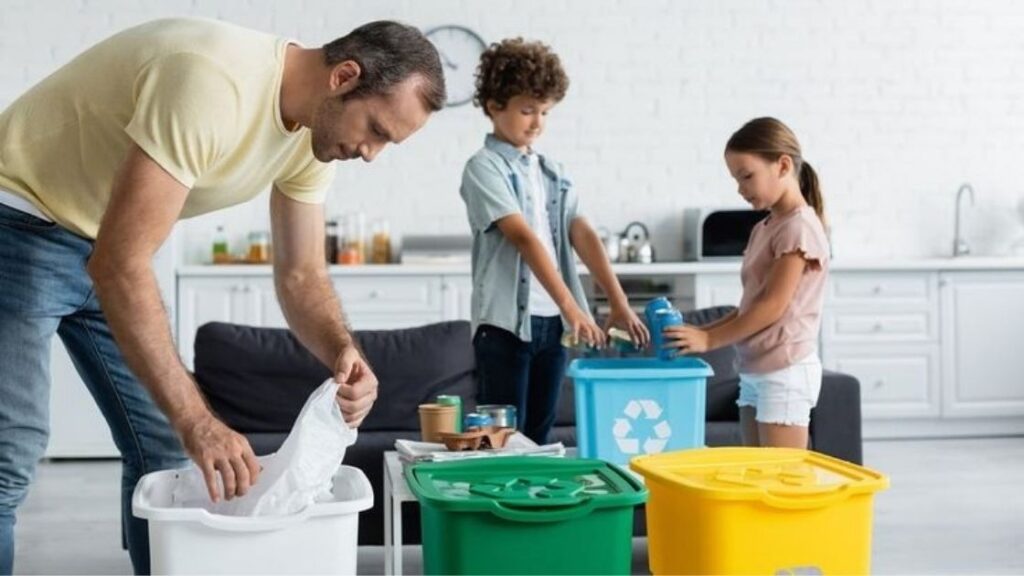
Getting family members on board requires patience. Children often respond well to understanding why changes matter. Explaining how reducing plastic use at home helps animals and oceans can motivate younger family members.
Make sustainable choices the convenient option. Keep reusable bags by the door, place a water filter pitcher in an accessible spot, and ensure reusable containers are easier to grab than disposable options.
Measuring Your Progress
Tracking waste reduction helps maintain motivation. Consider conducting a household plastic audit before and after implementing changes. Simply counting plastic items in your weekly trash reveals patterns and progress.
Many families find that reducing plastic use at home becomes second nature within a few months. What initially feels like effort transforms into automatic habit. Small consistent actions compound into significant environmental impact over time, proving that individual households genuinely contribute to broader change.
Conclusion
Reducing plastic use at home doesn’t require perfection. Every reusable bag, glass container, and bamboo toothbrush contributes to a healthier planet. The strategies outlined here prove that sustainable living fits any budget and lifestyle with gradual implementation.
Small changes in your kitchen, bathroom, and laundry room add up to significant environmental impact over time. By reducing plastic use at home, you protect wildlife, decrease pollution, and often save money. Start with one swap this week, build momentum, and watch your household waste shrink. Your eco-friendly choices today shape a cleaner tomorrow for future generations.