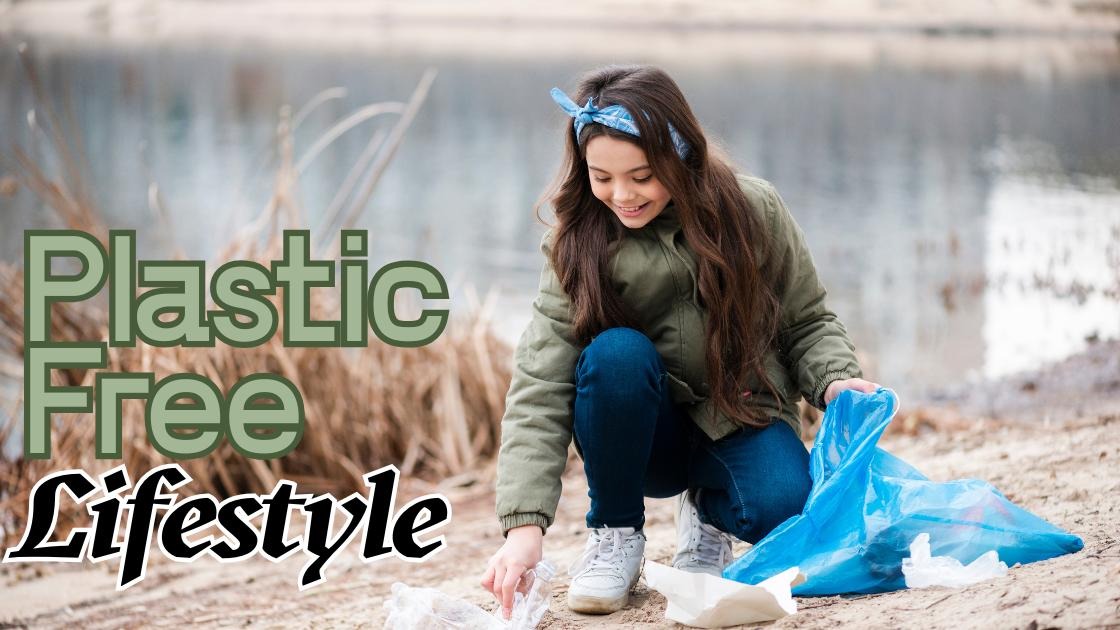
Adopting a plastic free lifestyle is one of the most impactful decisions you can make for our planet today. Every year, millions of tons of plastic end up in our oceans and landfills, harming wildlife and polluting ecosystems. But here’s the good news small daily changes can create a massive difference over time.
This comprehensive guide will walk you through practical, achievable steps to reduce plastic waste in every area of your life. From your kitchen and bathroom to shopping habits and on-the-go choices, you’ll discover how sustainable living doesn’t have to be overwhelming or expensive. We’ll explore eco-friendly alternatives, smart swaps, and mindset shifts that make going green feel natural and rewarding.
Whether you’re just starting your journey or looking to deepen your commitment to zero waste habits, this article has everything you need to create lasting, positive change for yourself and the environment.
What Is a Plastic Free Lifestyle and Why Does It Matter?
A plastic free lifestyle refers to consciously avoiding single-use plastics and choosing sustainable alternatives in daily routines. This movement has grown significantly over the past decade as awareness about Plastic waste disposal has increased worldwide.
The concept isn’t about achieving perfection overnight. Instead, it focuses on making gradual changes that collectively reduce your environmental footprint. Every reusable bag, metal straw, or glass container you choose prevents plastic from entering landfills and oceans.
The Growing Problem of Plastic Pollution
Humans have generated more than 8 billion tons of plastic since the 1950s. Shockingly, only about 9% has been recycled. The rest sits in landfills or pollutes natural environments where it takes hundreds of years to decompose.
Marine life suffers tremendously from this crisis. Sea turtles mistake plastic bags for jellyfish, and seabirds feed microplastics to their chicks. By embracing a plastic free lifestyle, you directly contribute to protecting these vulnerable species.
Key Benefits of Living Without Plastic
Transitioning to eco-friendly living offers advantages that extend beyond environmental protection. Discover the rewards that come with making this meaningful commitment.
Environmental Impact
Choosing a plastic free lifestyle helps preserve ecosystems and reduces greenhouse gas emissions from plastic production. Manufacturing plastic releases significant carbon dioxide, contributing to climate change.
Health Advantages
Harmful chemicals such as BPA and phthalates found in many plastics can seep into your food and drinks. By switching to non-toxic alternatives such as glass, stainless steel, or bamboo, you protect your family’s health.
Financial Savings
While some reusable products require upfront investment, they save money long-term. Consider these examples:
- A quality reusable water bottle eliminates the need for hundreds of disposable bottles annually, saving approximately $200 to $500 per year.
- Cloth shopping bags last for years compared to flimsy plastic bags that tear after one or two uses, reducing replacement costs significantly.
Practical Ways to Start Your Journey
Beginning your plastic free lifestyle doesn’t require dramatic changes. Small, consistent steps create lasting habits that become second nature over time.
Kitchen Swaps for Sustainable Living
The kitchen generates substantial plastic waste, making it an ideal starting point for green living changes.
Consider these simple switches:
- Switch from plastic wrap to beeswax wraps or reusable silicone lids.
- Use glass containers for storing leftovers rather than plastic ones.
- Buy loose produce and use mesh bags for shopping
- Choose bar soap and dish blocks over liquid versions in plastic bottles
- Opt for wooden or bamboo utensils
Bathroom and Personal Care Changes
Your bathroom routine likely involves numerous plastic items. Making sustainable swaps here significantly reduces your waste output.
Popular alternatives include bamboo toothbrushes, shampoo bars, safety razors with metal blades, and refillable deodorant containers. Many brands now offer zero waste options that perform just as well as conventional products.
Shopping Habits That Make a Difference
How you shop dramatically influences your plastic consumption. Visiting bulk stores allows you to fill your own containers with grains, nuts, spices, and cleaning supplies.
Farmers markets offer fresh produce without excessive packaging. When supermarket shopping is necessary, choose products in cardboard, glass, or metal packaging over plastic whenever possible.

Common Challenges and How to Overcome Them
Adopting a plastic free lifestyle comes with obstacles. Understanding these challenges prepares you for success.
Limited Accessibility
Bulk stores and zero waste shops are not accessible to all people. Online retailers now offer plastic-free products shipped in compostable packaging, expanding options for those in remote areas.
Social Situations
Dining out or attending events can present difficulties. Carrying a small kit with reusable cutlery, a cloth napkin, and a container for leftovers helps you stay committed without feeling awkward.
Time Constraints
Busy schedules make convenience appealing. Planning ahead by batch cooking, preparing snacks in reusable containers, and keeping eco-friendly essentials in your bag simplifies maintaining your plastic free lifestyle.
Cost Concerns
While some sustainable products cost more initially, focus on replacing items as they run out rather than buying everything at once. This gradual approach makes the transition affordable and manageable for any budget.
Conclusion
Embracing a plastic free lifestyle is a powerful way to protect our planet and improve your personal wellbeing. Throughout this guide, we’ve explored practical kitchen swaps, bathroom alternatives, smarter shopping habits, and strategies to overcome common challenges.
Remember, this journey isn’t about perfection. Every small change you make contributes to reducing plastic waste and creating a healthier environment for future generations. Start with one or two simple swaps and gradually build from there.
Your commitment to eco-friendly choices matters more than you realize. By living a plastic free lifestyle, you inspire others and become part of a growing global movement toward environmental sustainability.