Biomass resources now represent the single largest category of renewable energy on Earth, contributing 56 exajoules and roughly 9 percent of total global energy supply in 2023, according to the World Bioenergy Association’s 2025 Global Statistics Report. That figure surpasses solar and wind combined in terms of total energy delivered across electricity, heat, and transport.
Table of Contents
Yet many organizations still struggle to capture their full value. Poorly timed harvests, inadequate storage, and mismatched biomass technology systems waste enormous amounts of Organic feedstock every year. This guide breaks down the entire value chain, from field collection to final energy output, using real-world data and proven management strategies that actually work at scale.
Why Organic Feedstock Matters More Than Ever for Renewable Energy
The world consumed a record 622 exajoules of energy in 2023, and fossil fuels still supplied over 80 percent of that total. Bioenergy stands out as one of the few renewable alternatives that can deliver power, heat, and transport fuel simultaneously from a single supply chain.
Unlike wind turbines and solar panels, which depend entirely on weather patterns, Bioenergy feedstock can be stored and dispatched whenever demand spikes. This dispatchability makes it an ideal partner for intermittent renewables within a balanced grid.
The economic ripple effects are significant as well. The International Energy Agency reports that global investment in the bioenergy sector is expected to exceed 16 billion USD in 2025, a 13 percent jump from the previous year. That spending supports an estimated 3.9 million jobs worldwide, with more than 70 percent concentrated in the liquid biofuels sector.
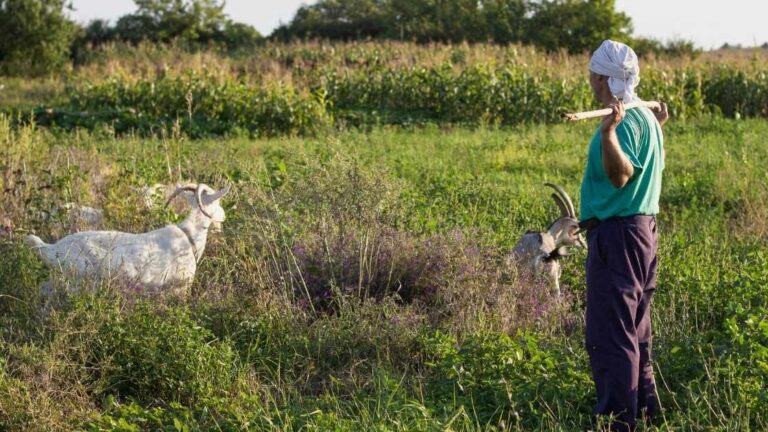
Rural communities benefit disproportionately because feedstock collection and processing happen close to agricultural and forestry operations. Instead of paying to dispose of crop residues or letting forest thinnings rot on the ground, landowners convert waste streams into revenue.
Types of Biomass Resources Used for Bioenergy Production
Not all Biomass feedstock carry the same energy potential. Understanding the characteristics of each feedstock type is fundamental to selecting the right collection methods, storage conditions, and Organic energy technology pathways.
Agricultural Crop Residues
Corn stover, wheat straw, rice husks, and sugarcane bagasse are generated in massive volumes each harvest season. Brazil alone produces enough bagasse from its sugarcane industry to power sugar mills and export surplus electricity into the national grid.
These residues typically have moderate moisture content at harvest and degrade quickly if left exposed to weather. Timing the collection window correctly is critical to preserving their energy value.
Forestry and Wood Processing Waste
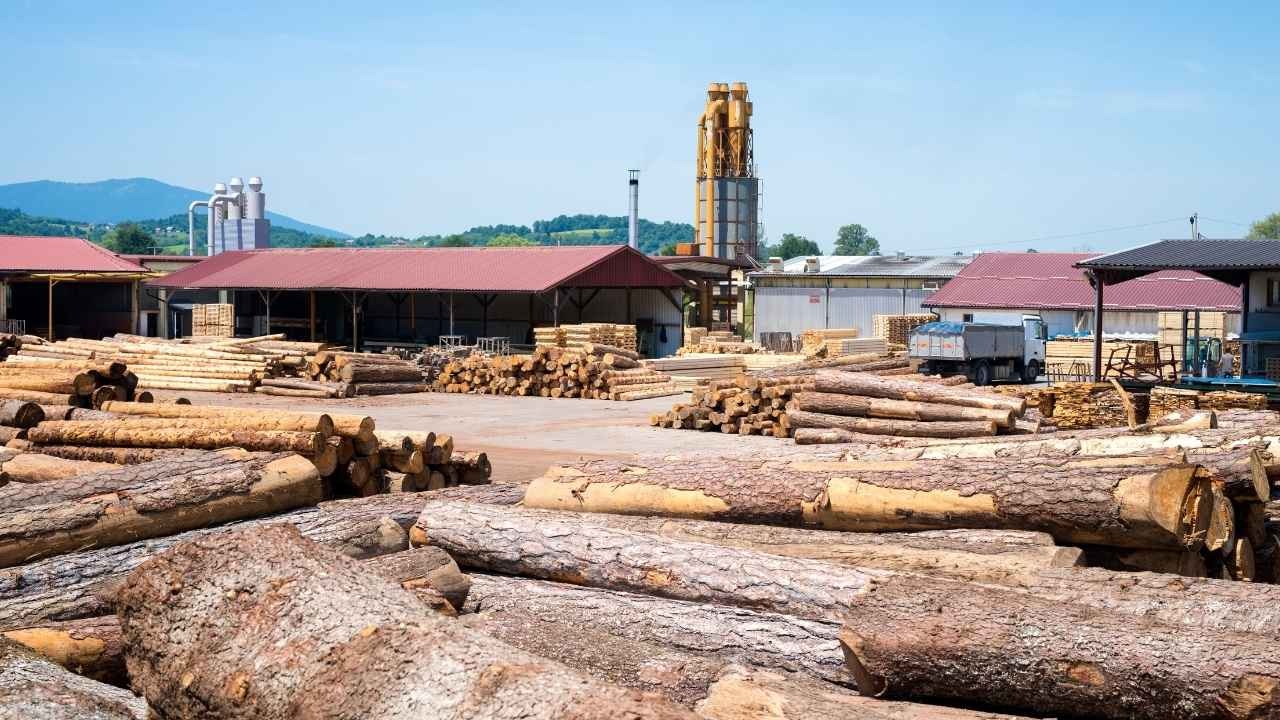
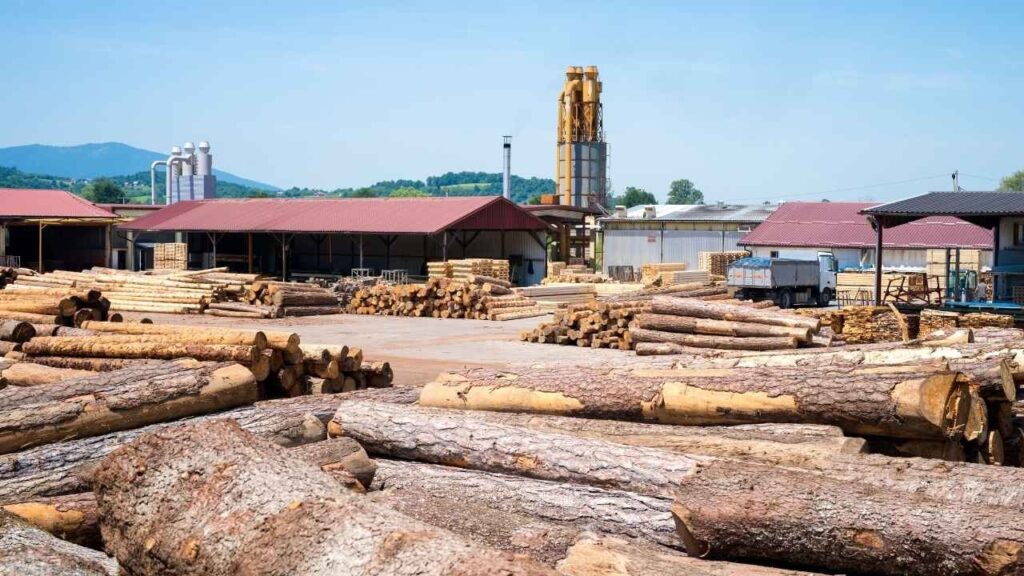
Sawdust, bark, wood chips, logging slash, and thinnings from forest management operations make up the backbone of solid bioenergy in Northern Europe. Sweden, Finland, and Denmark each derive roughly 30 percent of their total energy supply from bioenergy, dominated by solid wood-based feedstock, according to the IEA Bioenergy Countries Report 2024.
Woody Renewable biomass store better than agricultural residues and deliver higher energy density per kilogram, making them particularly cost-effective over longer supply chains.
Wet Organic Waste Streams
Animal manure, food processing waste, municipal food scraps, and sewage sludge contain high moisture levels that make them unsuitable for combustion. However, they are excellent candidates for anaerobic digestion, where Biomass energy systems converts them into methane-rich biogas.
Global biogas production reached 1.76 exajoules in 2023, and generation capacity grew by 4 percent that same year, as reported by the WBA 2025 Statistics Report.
Dedicated Energy Crops
Switchgrass, miscanthus, short-rotation willow, and poplar are purpose-grown for energy conversion. These crops typically require less fertilizer and pesticide input than food crops and can thrive on marginal land unsuitable for traditional agriculture.
Research programs are now using genetic engineering to develop varieties with higher cellulose content and faster growth rates, which could significantly improve per-hectare energy yields within the next decade.
How Modern Biomass Technology Turns Feedstock Into Usable Energy
The choice of Bioenergy systems determines both the type of energy product and the overall system efficiency. Modern facilities use either thermochemical or biochemical methods, and the best-performing operations match each feedstock to the Biofuel technology that extracts the most value from it.
Thermochemical Conversion Pathways
Direct Combustion
Burning organic material in controlled boiler systems to generate steam, which then drives turbines for electricity, remains the most widely deployed Biomass utilization technology globally. Bioenergy electricity generation reached a record 698 terawatt-hours in 2024, growing 3 percent year-over-year according to WBA data.
Modern combustion plants achieve thermal efficiencies between 25 and 35 percent for electricity-only generation. When paired with district heating networks, as is common across Scandinavia, overall efficiency jumps dramatically.
Gasification
Heating organic matter at high temperatures with restricted oxygen produces syngas, a mixture of carbon monoxide and hydrogen. Syngas powers gas turbines or internal combustion engines and can also serve as a chemical building block for producing synthetic liquid fuels.
India has deployed thousands of small-scale gasifiers in rural villages, providing off-grid electricity to communities that lack reliable access to centralized power infrastructure.
Pyrolysis
Processing biomass resources in the complete absence of oxygen yields three valuable products: bio-oil, syngas, and biochar. Bio-oil can substitute petroleum-based fuels in certain industrial applications. Biochar, when applied to agricultural soil, sequesters carbon for centuries while simultaneously improving water retention and nutrient availability.
Biochemical Conversion Pathways
Anaerobic Digestion
Sealed, oxygen-free reactors allow specialized bacteria to break down wet organic waste and produce biogas containing 50 to 70 percent methane. This biogas can fuel generators, heat buildings, or be upgraded to pipeline-quality biomethane.
The United States operates hundreds of on-farm and municipal anaerobic digestion facilities. Many dairy farms now generate enough biogas to power their entire operations and sell surplus electricity back to the grid.
Fermentation and Enzymatic Conversion
Yeast-based fermentation converts sugars and starches into bioethanol, the world’s most widely produced biofuel. Global ethanol output reached 118 billion liters in 2024, led by the United States and Brazil, which together account for 80 percent of production, as documented in the WBA 2025 report.
Enzymatic conversion breaks down the tougher cellulose and lignin in non-food plant materials, producing second-generation biofuels that avoid competing with food crops for land and resources.
Collection Strategies That Preserve Maximum Energy Value
Every percentage point of moisture gained during sloppy collection translates directly into lost energy content and increased storage risk. Field-level discipline makes the difference between profitable biomass resources operations and facilities that struggle to break even.
Timing the Harvest Window
For crop residues like straw and corn stover, the ideal collection window falls when field moisture drops to 15 to 20 percent. Harvesting earlier means excess water that promotes microbial breakdown in storage. Waiting too long exposes material to rain damage and nutrient leaching.
Woody feedstock follows seasonal patterns as well. Winter-harvested wood typically has lower moisture and fewer pest issues than material collected during warmer months.
Modern Mechanized Equipment
Baling systems compress crop residues into dense, transportable units. Chipping machines process forest waste into uniform particle sizes optimized for combustion and gasification systems. Mobile collection units bring processing capability directly to scattered field locations, cutting transportation distances and costs.
Quality Assurance in the Field
Soil contamination raises ash content and fouls combustion equipment. Mixing feedstock types without proper separation creates inconsistent fuel quality that disrupts Green energy technology performance. Documenting moisture readings, source locations, and collection dates at the point of harvest creates the traceability foundation for reliable supply chain management.
Storage Protocols That Prevent Degradation and Safety Hazards
Organic material begins degrading the moment it is harvested. Microbial activity generates heat, and unchecked heating can lead to spontaneous combustion, a well-documented risk in large storage facilities handling agricultural residues and wood chips.
The Five Core Storage Principles
Moisture control ranks as the single most critical variable. Keeping levels below 20 percent suppresses mold growth and limits the microbial heating cycle that creates fire risks. Adequate airflow through stored material dissipates residual heat. Covered facilities shield biomass resources from rain and snow. Pest management programs protect against insect and rodent damage. And continuous monitoring of temperature and moisture throughout the storage period catches developing problems before they escalate.
Shelf Life by Feedstock Category
Woody materials such as pellets and chips maintain their energy content for one to two years under dry, ventilated conditions. Agricultural residues like straw and stover hold their quality for six to twelve months when stored properly. High-moisture waste streams, including fresh manure and food scraps, must either be processed immediately or actively dried before any storage period.
Engineered Solutions for Large Operations
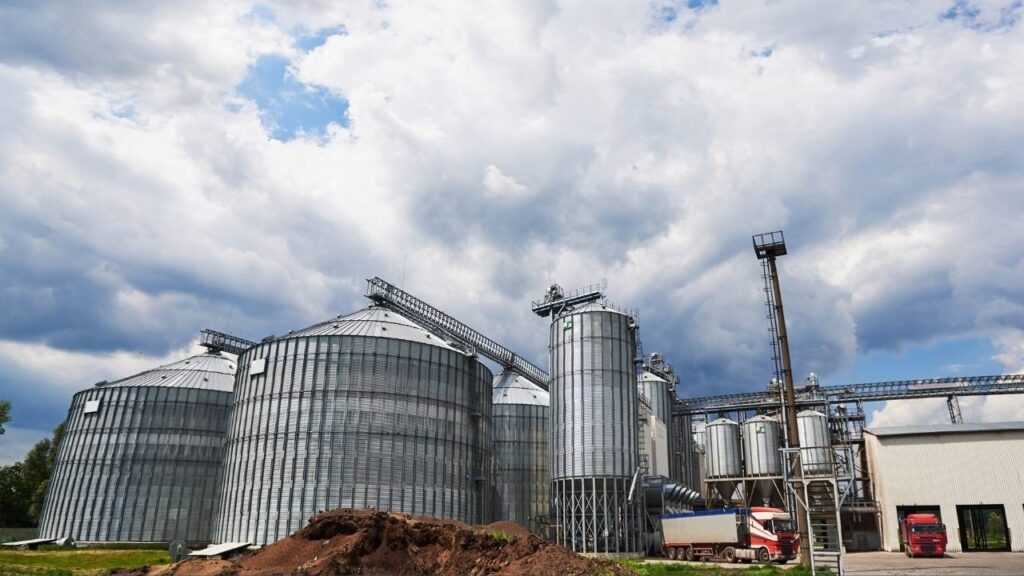
Enclosed silos with automated climate control systems offer the highest level of protection for valuable biomass resources. Covered concrete pads with built-in drainage handle bulk woody material efficiently. Oxygen-barrier film wrapping extends bale storage life by limiting air and moisture exposure, a technique widely adopted in Northern European operations.
Maximizing Output Through Smart Feedstock-Technology Matching
Feeding wet manure into a combustion boiler wastes fuel on evaporating water rather than generating power. Putting dry wood chips through an anaerobic digester starves the bacteria of the moisture they need to function. Matching each feedstock type to the Renewable energy technology designed for its characteristics is fundamental to achieving profitable operations.
Integrating With Existing Waste Infrastructure
Municipal waste facilities can divert organic fractions to anaerobic digesters instead of landfills. Farm operations can channel crop residues and animal waste into on-site biogas systems. Sawmills and forestry operations can process wood waste through gasification units co-located with existing processing infrastructure. In each scenario, what was previously a disposal expense becomes an income stream.
Combined Heat and Power Efficiency
Combined heat and power installations capture both electricity and thermal energy from a single Biomass processing technology process. By routing waste heat into district heating networks, industrial processes, or greenhouse heating, CHP systems achieve overall efficiencies of 80 percent or higher. That compares to roughly 35 percent for facilities generating electricity alone.
Sweden provides the clearest demonstration of this approach. The country’s bioenergy consumption exceeds 150 terawatt-hours annually, with the majority used for heating through district networks and combined heat and power plants, as noted by Statista’s Sweden renewable energy overview.
Economic Drivers and Environmental Returns
What Determines Project Profitability?
Transportation costs dominate project economics because biomass resources are bulky relative to their energy content. Facilities located within 50 to 80 kilometers of their feedstock sources consistently outperform those relying on longer supply chains. Consistent year-round supply keeps processing equipment running at capacity rather than sitting idle during seasonal gaps.
Government policy plays a decisive role. At least 37 countries had adopted or announced biofuel blending mandates as of 2025, according to the IEA Renewables 2025 report. Carbon credits, renewable energy certificates, and production tax incentives further strengthen revenue projections.
Climate and Ecological Benefits
The carbon cycle of sustainably managed biomass resources is effectively neutral. Plants absorb carbon dioxide during growth, and that same carbon returns to the atmosphere during energy conversion. Net additions to atmospheric carbon are minimal compared to extracting and burning fossil fuels that have been locked underground for millions of years.
Diverting organic waste from landfills prevents methane formation. Methane is approximately 80 times more potent than carbon dioxide as a greenhouse gas over a 20-year horizon, making landfill diversion one of the highest-impact climate strategies available.
Global Success Stories Worth Studying
The following examples demonstrate that biomass resources work across vastly different scales, climates, and economic conditions.
Sweden derives roughly 30 percent of its total energy supply from bioenergy, with solid wood feedstock powering combined heat and power plants and district heating networks across the country. Renewables accounted for about 63 percent of total energy consumed, making it the EU leader in renewable energy share.
Brazil has built the world’s second-largest bioethanol industry around sugarcane. The fibrous bagasse byproduct generates enough electricity to power sugar mills and export surplus to the national grid, creating a fully integrated value chain.
India mandated compressed biogas blending starting at 1 percent in 2025–2026, scaling to 5 percent by 2028–2029, according to the IEA. Thousands of small-scale gasifiers already provide off-grid power to rural communities.
United States leads global ethanol production and operates hundreds of anaerobic digestion projects converting agricultural waste and food scraps into biogas for electricity and vehicle fuel.
Key Challenges Facing the Bioenergy Sector
Supply Chain Complexity
Biomass resources are geographically dispersed and seasonally variable. Building reliable year-round supply requires advance planning, strategic storage depot placement, and sophisticated inventory management across multiple collection sites.
Quality Standardization
Inconsistent moisture, particle size, and ash content disrupt Biomass power technology performance and increase maintenance costs. Establishing enforceable quality specifications with testing at collection, delivery, and processing stages is essential for operational reliability.
Capital Investment Barriers
Advanced Bioenergy conversion systems facilities require substantial upfront investment. However, modular system designs now allow operators to start at smaller scales and expand incrementally as supply and demand grow, reducing the financial risk that previously deterred many investors.
Sustainability Concerns
Overharvesting agricultural residues can strip soils of organic matter and accelerate erosion. Sustainable removal rates must be established and enforced to ensure that energy production does not compromise long-term soil health and agricultural productivity.
Emerging Trends Shaping the Future of Bioenergy
Second-generation biofuels derived from non-food crops and waste materials are approaching commercial viability, which will decouple biofuel production from food supply concerns. The IEA projects that global biofuel demand could reach 310 billion liters per year by 2030 under accelerated policy scenarios.
Hybrid energy systems that combine biomass resources with solar, wind, and battery storage are creating more resilient and flexible energy platforms. Advanced biorefinery concepts aim to produce fuels, chemicals, materials, and soil amendments from a single feedstock stream, maximizing value extraction.
On the policy front, the International Maritime Organization reached a provisional agreement in April 2025 on a global greenhouse gas fuel standard for shipping, which could generate 0.4 exajoules of new renewable fuel demand by 2030. Biodiesel, renewable diesel, and bio-LNG are expected to meet most of that initial demand.
Final Thoughts
Biomass resources stand at the center of a renewable energy transition that is already well underway. With 56 exajoules of bioenergy delivered globally in 2023, investment climbing past 16 billion USD in 2025, and policy mandates expanding across at least 37 countries, the trajectory is clear.
Success depends on getting the fundamentals right. Collect feedstock at the optimal moisture window. Store it under conditions that prevent degradation and fire risk. Match each material to the Biochemical conversion systems designed for its characteristics. And integrate the entire process with existing waste management infrastructure to turn disposal costs into energy revenue.
The organizations and communities that master these practices today will capture the largest share of the environmental and economic benefits as this sector continues its rapid expansion worldwide.
What is the difference between traditional and modern bioenergy?
Traditional bioenergy involves burning raw wood or dung over open fires for cooking and heating, which is highly inefficient and linked to nearly 3 million premature deaths annually from indoor air pollution. Modern bioenergy uses advanced biomass technology like gasification, anaerobic digestion, and high-efficiency combustion in controlled facilities that dramatically reduce emissions and increase energy output.
Is bioenergy truly carbon neutral?
When feedstock is sourced sustainably, the carbon released during conversion roughly equals the carbon absorbed by plants during growth. This closed-loop cycle produces minimal net additions to atmospheric carbon. However, carbon neutrality depends on sustainable harvesting practices, efficient Bioconversion technology, and accounting for emissions from transportation and processing.
How does the biomass resources sector create jobs?
The bioenergy sector supported 3.9 million jobs globally in 2023, spanning feedstock collection, transportation, processing, equipment manufacturing, and facility operations. Rural areas benefit most because collection and processing happen near agricultural and forestry operations.
Which countries lead in biomass resources production?
Sweden, Finland, and Denmark lead in bioenergy as a share of total energy supply, each at roughly 30 percent, according to the IEA Bioenergy Countries Report 2024. The United States and Brazil dominate liquid biofuel production, together producing 80 percent of global ethanol output. China and India are rapidly expanding their biogas and biofuel programs through mandatory blending policies.
What feedstock types produce the most energy per kilogram?
Dry woody feedstock like wood pellets delivers the highest energy density, typically between 17 and 20 megajoules per kilogram. Agricultural residues range from 14 to 17 megajoules per kilogram depending on moisture content. Wet waste streams have the lowest energy density per kilogram but can still be highly productive when processed through anaerobic digestion.
Can small-scale Biomass conversion technology operations be economically viable?
Yes. Modular gasification and anaerobic digestion systems are now available at scales suitable for individual farms and small communities. India’s village-level gasifier program demonstrates that even very small installations can provide reliable off-grid power while creating local economic value from agricultural waste.