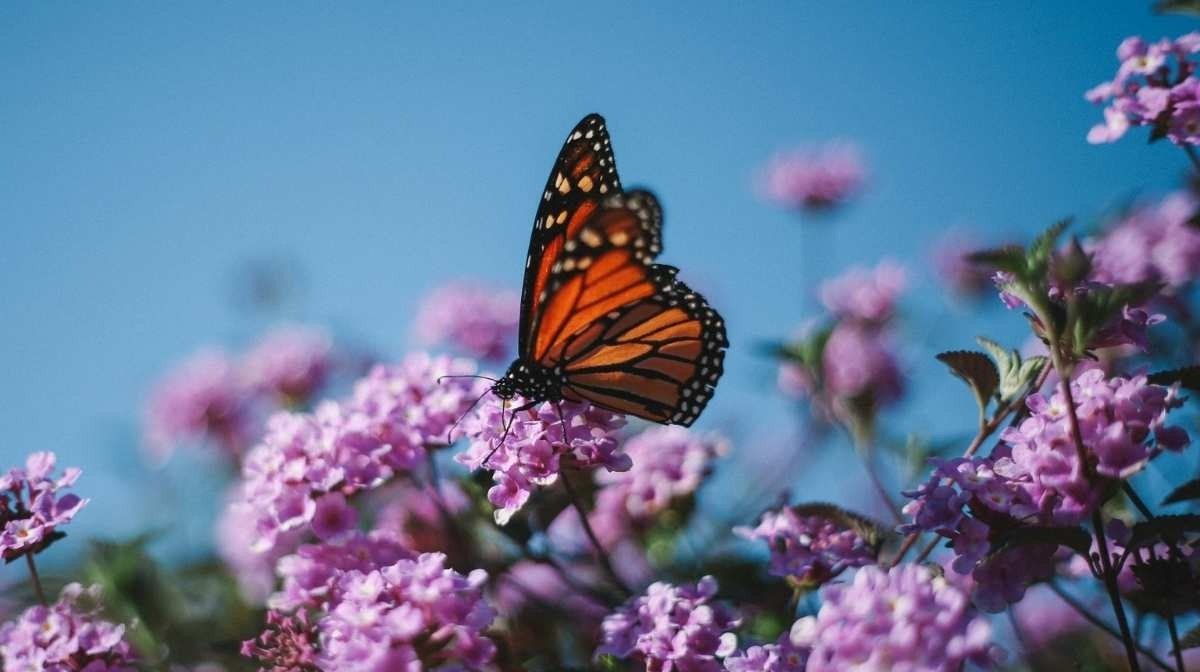
Monarch Butterflies are among the most recognized and beloved insects on the planet, famous for their brilliant orange and black wings and an annual migration that spans thousands of miles. But these iconic pollinators are in serious trouble. Eastern populations have declined by roughly 80% since the 1980s, and the western population has dropped by more than 95%. Mongabay Understanding what makes them so extraordinary and what threatens their survival is the first step toward protecting them.
Table of Contents
This guide covers everything you need to know about these remarkable creatures, from their biology and migration patterns to the latest population data from 2026 and practical ways you can support their recovery.
What Makes Monarch Butterflies So Special?
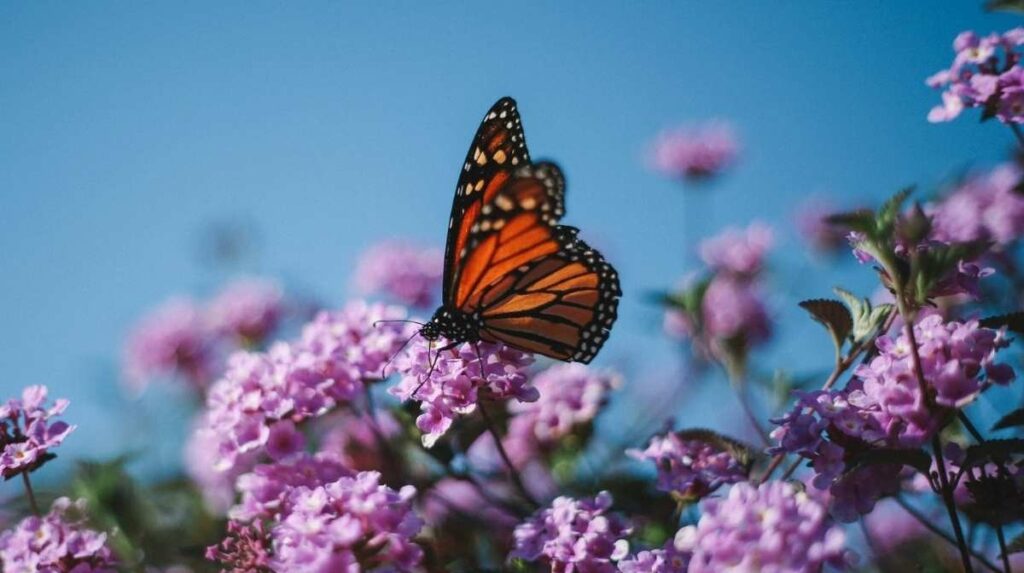
Danaus plexippus stand apart from other butterfly species for several reasons. They undertake the longest two-way insect migration on Earth, traveling up to 2,800 miles between their breeding grounds in the United States and Canada and their overwintering forests in central Mexico. No single butterfly completes the entire round trip. Instead, it takes multiple generations to finish the journey northward each spring, while a single “super generation” born in late summer makes the entire southward flight in autumn.
Their bright coloring is not just beautiful it serves as a warning to predators. These insects accumulate toxic compounds called cardenolides from the milkweed they eat as caterpillars, making them unpleasant or even harmful for birds and other animals to consume.
The Life Cycle
The life cycle consists of four distinct stages: egg, larva (caterpillar), pupa (chrysalis), and adult butterfly.
Egg Stage: Females lay tiny, cream-colored eggs exclusively on milkweed plants. Each egg is roughly the size of a pinhead, and a single female can deposit several hundred eggs over her lifetime. Eggs hatch within three to five days.
Larva (Caterpillar) Stage: After hatching, the caterpillar feeds on milkweed leaves almost continuously for about two weeks. During this time, it molts five times, growing from barely visible to roughly two inches long, with distinctive yellow, white, and black stripes.
Pupa (Chrysalis) Stage: The caterpillar attaches itself to a surface, sheds its skin one final time, and forms a jade-green chrysalis dotted with gold markings. Inside, the transformation into a butterfly takes approximately 10 to 14 days.
Adult Stage: The fully formed butterfly emerges, pumps fluid into its wings, and begins feeding on nectar from a wide variety of flowering plants. Most adults live two to five weeks, except for the migratory “super generation,” which can survive up to eight or nine months.
The Great Migration Explained
The annual migration is one of the most extraordinary phenomena in the natural world. Each autumn, millions of eastern individuals leave their breeding grounds across the northern United States and southern Canada and fly south to the oyamel fir forests in the mountains of Michoacán and Estado de México.
These forests sit at elevations between 9,000 and 12,000 feet and provide the cool, humid microclimate needed to conserve energy through the winter months. The butterflies cluster together on tree trunks and branches in densities so thick that entire trees appear to be made of wings.
Western populations follow a different path. They migrate from areas west of the Rocky Mountains to coastal groves along the California coast, particularly in locations like Pacific Grove and Pismo Beach. However, this population has experienced far more severe declines than its eastern counterpart.
Scientists still do not fully understand how these insects navigate such vast distances with pinpoint accuracy, generation after generation. Research suggests they use a combination of the sun’s position, the Earth’s magnetic field, and an internal “time-compensated sun compass” located in their antennae.
Population Status: Where Things Stand in 2026
The most reliable measure of eastern population health comes from annual winter surveys conducted in Mexico by WWF Mexico and Mexico’s National Commission of Protected Natural Areas (CONANP).
During the 2025–2026 overwintering season, eastern populations occupied 2.93 hectares of forest, representing a roughly 64% increase compared to last year’s estimate of 1.79 hectares. Monarch Joint Venture Researchers estimate population size by measuring the total area of trees occupied by clusters, with estimates suggesting roughly 20 to 30 million individuals per hectare.
While the uptick is encouraging, experts urge caution. Scientists estimate that for long-term survival, eastern populations should inhabit at least 6 hectares of oyamel fir forest a threshold reached only once in the last decade. Mongabay
The western population paints a bleaker picture. The Xerces Society’s annual Western count reported just 12,260 butterflies across 249 sites for the 2025–2026 season. National Wildlife Federation That number remains alarmingly low compared to historical averages of over a million.
Why Are They Declining?
Populations face pressure from multiple directions, and no single factor explains their decline.
Habitat Loss and Milkweed Disappearance: Milkweed is the only plant where eggs are laid and the sole food source for caterpillars. Widespread agricultural herbicide use and land conversion across North America have drastically reduced milkweed availability. Research from the Center for Biological Diversity indicates that milkweed has declined by an estimated 21% across the core breeding range in the Midwest since the late 1990s.
Pesticide Use: Neonicotinoid insecticides, commonly used in both agriculture and residential pest control, are harmful at multiple life stages. These chemicals can contaminate milkweed and nectar plants, poisoning caterpillars and adult butterflies alike.
Climate Change: Rising temperatures, shifting rainfall patterns, and more frequent extreme weather events disrupt every stage of the annual cycle. Severe droughts reduce milkweed growth during the breeding season, while unusual winter storms can devastate overwintering colonies in Mexico.
Forest Degradation in Mexico: According to a 2025 WWF report, 6.30 acres of forest were degraded in the core zone of the Monarch Butterfly Biosphere Reserve, with most damage caused by illegal logging followed by forest fires and drought. Although illegal logging in the core zone has been largely eliminated since 2008, ongoing degradation from other causes remains a concern.
Are They Endangered?
This is one of the most frequently asked questions, and the answer depends on which authority you consult.
Both eastern and western migratory populations are classified as endangered on the IUCN Red List, but neither has been formally listed under the U.S. Endangered Species Act. The International Union for Conservation of Nature added migratory populations to its endangered list in July 2022, citing declines of 22% to 72% over the past decade depending on the measurement method.
In the United States, the Fish and Wildlife Service determined in December 2020 that listing the species as threatened was “warranted but precluded” by higher-priority species. Conservation groups like the National Wildlife Federation continue to push for formal federal listing as threatened under the Endangered Species Act.
How to Help: Practical Conservation Steps
You do not need to be a scientist or own vast tracts of land to make a meaningful difference. Individual and community actions add up when practiced widely.
- Plant Native Milkweed: Choose milkweed species native to your region rather than tropical milkweed (Asclepias curassavica), which can interfere with migration patterns if it does not die back in winter. Common native options include common milkweed (Asclepias syriaca), swamp milkweed (Asclepias incarnata), and butterfly weed (Asclepias tuberosa). Find region-specific recommendations at Monarch Watch.
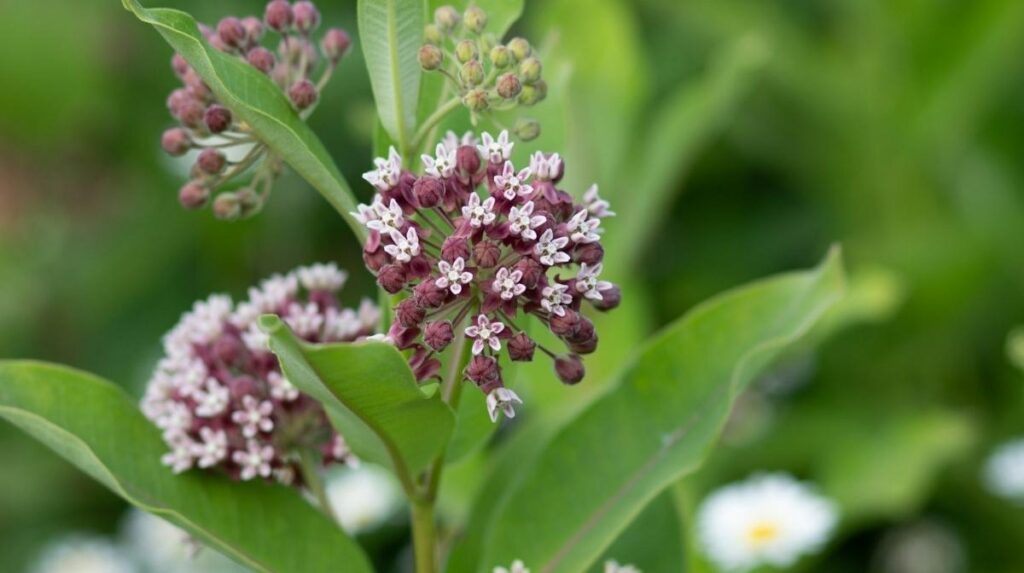
- Create Pollinator-Friendly Gardens: Supplement milkweed with a variety of nectar-rich native flowers that bloom from spring through fall. This provides fuel for migrating adults and supports other pollinators as well.
- Reduce or Eliminate Pesticide Use: Avoid broad-spectrum insecticides in your yard, especially during the breeding season from late spring through early fall.
- Support Conservation Organizations: Groups like the Monarch Joint Venture, WWF, the Xerces Society, and the National Wildlife Federation fund habitat restoration, research, and policy advocacy.
- Participate in Community Science: Programs like Journey North and the Xerces Society’s Western Count allow anyone to report sightings and contribute valuable data that scientists use to track population trends.
Overwintering Sites: Mexico and California
Mexico: The Monarch Butterfly Biosphere Reserve in the states of Michoacán and Estado de México protects the core overwintering habitat for eastern populations. Key sanctuaries include El Rosario and Sierra Chincua, which open to the public each November. Beyond their ecological importance, these forests are a critical freshwater source for the Cutzamala system that supplies water to more than 5 million people in Mexico City and surrounding areas.
California: Western populations cluster in eucalyptus, Monterey pine, and Monterey cypress groves along the Pacific coast. Pacific Grove, known as “Butterfly Town USA,” and the Pismo Beach Monarch Butterfly Grove are among the most popular viewing sites.
Conclusion
These extraordinary insects represent one of nature’s most awe-inspiring spectacles, yet their future remains uncertain. The 64% increase in the 2025–2026 eastern overwintering population is a welcome sign that conservation efforts are making progress, but long-term population levels remain far below what scientists consider safe for the species’ survival. Meanwhile, western populations continue to hover near dangerously low numbers.
The good news is that every person can contribute to recovery. Planting native milkweed, reducing pesticide use, supporting conservation organizations, and participating in community science programs all make a real difference. The collective choices of millions of people across North America will ultimately determine whether future generations get to witness the miracle of this migration.
Start today. Plant milkweed in your garden this spring, report sightings to Journey North, or share this guide with a friend who loves butterflies. Every small action adds up.
How far do they migrate?
Eastern populations travel up to 2,800 miles from southern Canada and the northern United States to their overwintering forests in central Mexico the longest two-way migration of any insect species.
Why do they need milkweed?
Milkweed is the only plant genus where females lay their eggs, and it serves as the exclusive food source for caterpillars. Without milkweed, reproduction is impossible. The plant also provides toxic compounds that make adults distasteful to predators.
Are Monarch Butterflies endangered in 2026?
Migratory populations are listed as endangered by the IUCN Red List as of 2022. However, they have not yet been formally listed under the U.S. Endangered Species Act. Conservation groups continue to advocate for federal protection, especially for the critically low western population.
What is the current population?
During the 2025–2026 overwintering season, eastern populations occupied 2.93 hectares of forest in Mexico, a 64% increase over the previous year. The western population was counted at roughly 12,260 individuals. Both numbers remain well below historical averages.
How can I attract them to my garden?
Plant native milkweed species along with a variety of nectar-rich native wildflowers that bloom across different seasons. Avoid pesticides, provide shelter from wind, and include a shallow water source. Even a small garden patch can serve as valuable habitat.
What is the biggest threat?
The loss of milkweed habitat due to agricultural herbicide use is widely considered the single largest driver of decline. Climate change, pesticide exposure, and forest degradation at overwintering sites in Mexico and California also contribute significantly.