Gender and climate justice is one of the most urgent conversations in modern environmental policy, revealing how deeply intertwined social inequality and ecological destruction truly are. Women and marginalized communities do not experience climate change the same way as everyone else. Structural disadvantages in access to resources, political representation, and economic opportunity mean that the people who contribute least to the crisis often suffer its worst consequences.
Table of Contents
This article examines the relationship between gender inequality and climate vulnerability, explores how inclusive policies produce stronger environmental outcomes, and outlines practical steps toward a fairer, more effective response to the planetary emergency.
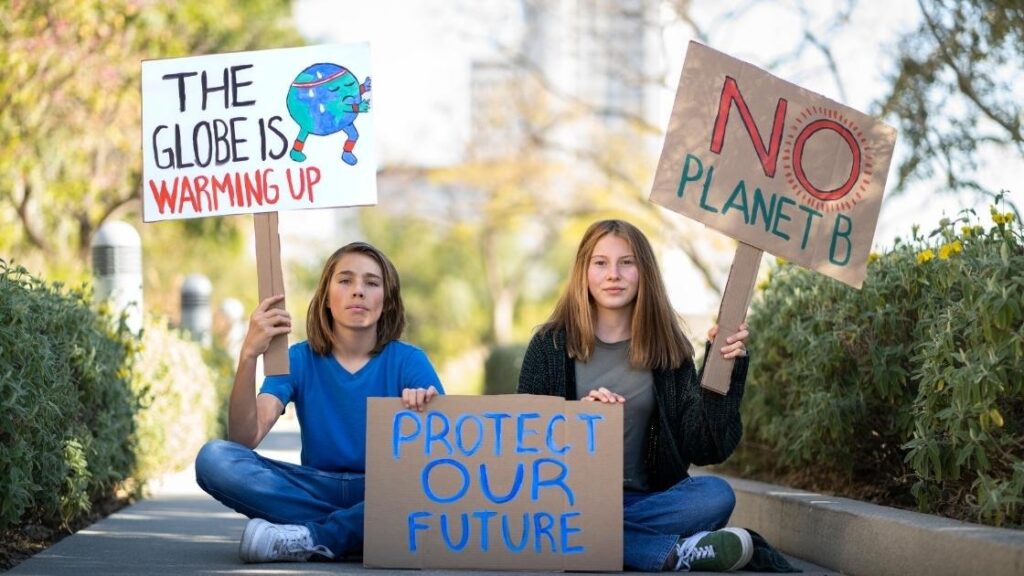
Why Gender and Climate Justice Demands Attention Now
Climate change is not a neutral force. Its effects land unevenly across populations, and gender is one of the most significant fault lines. According to UN Women, the Gender Snapshot 2024 report estimates that by 2050, climate change could push up to 158 million more women and girls into extreme poverty Conclusion roughly 16 million more than the equivalent figure for men and boys.
Women in low-income and rural areas tend to bear primary responsibility for securing food, water, and fuel. When droughts dry up water sources or floods destroy farmland, it is overwhelmingly women who must walk farther, work harder, and sacrifice more. In many regions, girls are pulled from school to help manage these increased domestic burdens.
The UNFCCC has recognized that involving women and men equally in the development and implementation of climate policy is essential to effective action. Yet recognition alone has not closed the gap between awareness and real-world change.
How Climate Change Disproportionately Affects Women
Poverty and Food Insecurity
The economic consequences of climate change fall hardest on women. The UN Women Gender Snapshot 2025 found that nearly 64 million more female adults experience food insecurity than males globally. In regions dependent on subsistence agriculture, a single failed harvest season can devastate entire families, with women often eating last during periods of scarcity.
According to UNEP, lower societal positions limit women’s access to resources and their ability to diversify livelihoods in response to environmental change. This creates a cycle of deepening vulnerability that compounds with each successive climate event.
Gender-Based Violence and Displacement
Climate disasters do not only destroy infrastructure and livelihoods. They also intensify gender-based violence. A 2022 UNFCCC synthesis report documented increases in child marriage, human trafficking, and sexual violence following climate-related disasters in countries like Bangladesh, Ethiopia, and Kenya. Families sometimes resort to marrying daughters as a financial coping mechanism after floods or prolonged droughts wipe out their income.
When women and girls must travel farther from home to collect water or firewood due to resource scarcity, their exposure to violence outside the home also increases significantly.
Health Impacts
Climate change threatens maternal and reproductive health. Rising temperatures are associated with higher rates of stillbirth, and expanding tropical zones help diseases like malaria, dengue, and Zika reach new populations. Women in disaster zones face reduced access to healthcare services at exactly the moments when their needs are greatest.
The Historical Evolution of Gender in Climate Policy
Gender was first introduced into UNFCCC negotiations at COP7 in 2001, initially focused on improving women’s representation in national delegations. Over the next two decades, the conversation expanded considerably. Key milestones include the addition of gender as a standing agenda item at COP18 in Doha in 2012, the establishment of the Lima Work Programme on Gender in 2014, and the adoption of the first Gender Action Plan in 2017.
The World Economic Forum notes that while over 80 percent of UNFCCC parties now reference gender in their submitted plans, meaningful integration into energy transition and adaptation policies remains limited. At COP29, parties agreed to extend the Enhanced Lima Work Programme on Gender for another decade, and at COP30 in Belém, the nine-year Belém Gender Action Plan was adopted, marking a significant step forward.
Despite this progress, only 39 percent of countries have established national coordination mechanisms to integrate gender equality into climate policymaking across sectors, according to the UN Women Climate Scorecard.
Why Gender-Responsive Climate Action Produces Better Results
Women as Agents of Change
Framing women solely as victims of climate change misses a critical part of the picture. According to UNEP, research shows that women tend to invest more than men in environmentally friendly transportation, demonstrate greater awareness of energy conservation, and are more inclined to alter daily habits for environmental protection. Women leaders across industries are already demonstrating commitments to sustainable business practices.
At the household level, women hold significant influence over decisions that directly affect energy usage, waste generation, grocery choices, and resource management. This influence extends outward to neighbors, colleagues, and broader community networks.
Stronger Policies Through Inclusion
Countries with greater women’s representation in parliament tend to adopt stronger environmental policies. Yet globally, women hold only about one quarter of parliamentary seats and just 15 percent of environment minister positions. At COP29, women comprised only 24 percent of heads of delegation.
Closing this representation gap is not simply a matter of fairness. It produces measurably better outcomes. Gender-diverse decision-making bodies bring broader perspectives, identify risks that homogeneous groups miss, and design solutions that serve wider populations.
Key Barriers to Gender and Climate Justice
Several persistent obstacles continue to undermine progress in this area.
Political underrepresentation remains the most visible barrier. Women are consistently excluded from the highest levels of environmental decision-making, despite decades of advocacy for inclusion.
Lack of gender-disaggregated data makes it difficult to design targeted interventions. Without detailed information on how climate impacts differ by gender, policies risk being too generic to address the specific vulnerabilities women face.
Insufficient funding compounds the problem. Only three percent of climate development aid prioritizes gender equality, according to UN Women. Women’s organizations working on the frontlines of climate response are chronically underfunded despite their proven effectiveness.
Cultural and social norms in many regions continue to restrict women’s access to education, employment, land ownership, and financial services, limiting their capacity to adapt to environmental changes.
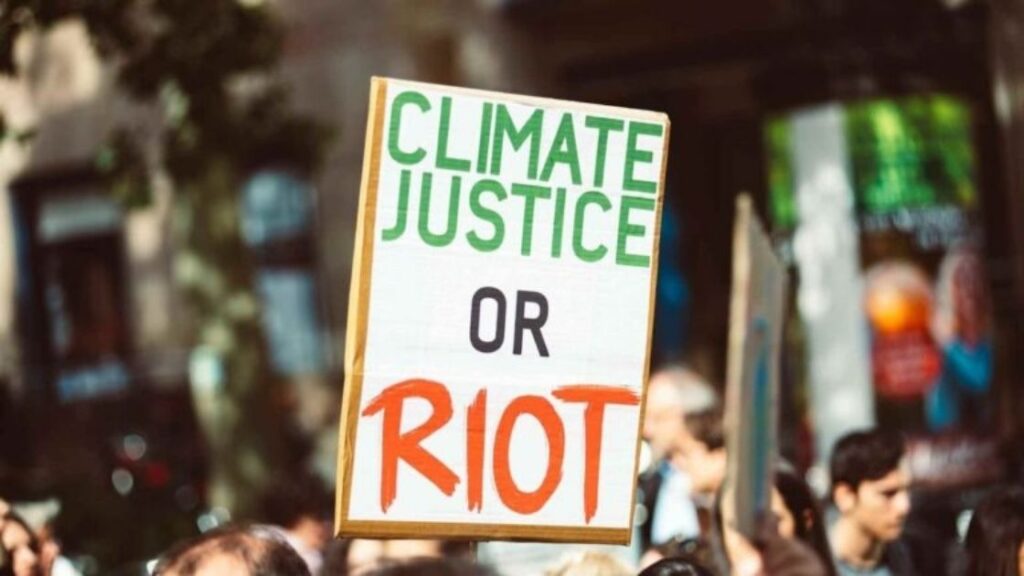
Practical Steps Toward Gender-Inclusive Climate Policy
Achieving genuine gender and climate justice requires concrete, measurable actions rather than symbolic commitments.
Integrate gender analysis into national climate plans. Every nationally determined contribution submitted under the Paris Agreement should include gender-responsive targets, budgets, and indicators. The UN Women Climate Scorecard provides a framework for assessing and improving these commitments.
Increase women’s participation in climate governance. This means not only adding women to delegations but ensuring they hold leadership positions with genuine decision-making authority at every level, from local disaster preparedness committees to international negotiating tables.
Invest in gender-disaggregated data collection. Effective policy depends on accurate information. Governments and international organizations should fund longitudinal studies that track how climate impacts differ across gender, geography, and socioeconomic status.
Direct climate finance toward women’s organizations. Grassroots women’s groups often deliver the most cost-effective and locally appropriate climate adaptation responses. Increasing their share of climate funding from the current three percent would yield disproportionate returns.
Support women’s access to green jobs and clean energy. Programs that provide women with training, technology, and capital to participate in renewable energy sectors simultaneously advance gender equality and accelerate the clean energy transition. An estimated eight billion dollars annually invested in clean cooking fuels alone could deliver 192.3 billion dollars in health and time savings for women and girls, according to the Gender Snapshot 2025.
Real-World Examples of Gender-Responsive Climate Action
Several initiatives worldwide demonstrate the power of combining gender equality with climate strategy.
In Bangladesh, women-led disaster risk reduction teams have significantly lowered flood-related casualties and economic losses. These community-based programs train women as first responders and resource managers, building local resilience that formal government structures often fail to provide.
In Sub-Saharan Africa, renewable energy projects that specifically target women’s participation have shown dual benefits: reducing carbon emissions while creating economic opportunities for previously marginalized populations.
In Latin America, urban planning initiatives that incorporate gender perspectives have produced more effective public transportation systems, safer public spaces, and more resilient infrastructure.
In Tonga, national surveys on gender and the environment revealed that women are more likely than men to follow safe pesticide application practices and use organic alternatives, demonstrating how gender-aware agricultural policies could simultaneously improve environmental and health outcomes, as documented by UN Women research.
Conclusion
Gender and climate justice is not a niche concern or an optional addition to environmental strategy. It sits at the heart of whether the global response to climate change will succeed or fail. When policies exclude half the population from meaningful participation, they produce weaker outcomes, miss critical vulnerabilities, and perpetuate the very inequalities that make communities fragile in the first place.
The evidence is clear. Investing in women’s leadership, closing data gaps, directing resources to frontline communities, and embedding gender analysis into every level of climate governance are not just morally right Conclusion they are strategically essential. The question is no longer whether gender and climate justice belong together. It is whether decision-makers will act quickly enough to match their commitments with meaningful change.
What is gender and climate justice?
Gender and climate justice refers to the principle that climate change impacts people differently based on gender and social status, and that effective environmental policy must address these inequalities rather than ignore them. It calls for inclusive decision-making, equitable resource distribution, and recognition that women and marginalized groups face heightened vulnerability to environmental threats.
Why are women more affected by climate change than men?
Women are disproportionately affected because of pre-existing inequalities in access to resources, education, healthcare, and political power. In many regions, women bear primary responsibility for water and food collection, making them directly vulnerable when climate events disrupt these resources. Economic dependence and restricted mobility further limit their ability to adapt.
How does climate change increase gender-based violence?
Climate disasters displace populations, destroy livelihoods, and strain social systems. In these conditions, rates of domestic violence, sexual assault, child marriage, and human trafficking tend to rise. Resource scarcity also forces women and girls to travel farther from home, increasing their exposure to violence.
What is the UNFCCC Gender Action Plan?
The Gender Action Plan is a framework adopted under the United Nations Framework Convention on Climate Change that aims to integrate gender perspectives across all areas of climate policy. The latest version, the Belém Gender Action Plan, was adopted at COP30 and covers a nine-year period, focusing on women’s participation, leadership, and protection in climate action.
How can individuals support gender and climate justice?
Individuals can support organizations working at the intersection of gender equality and climate action, advocate for gender-responsive policies in their communities, support women-led environmental businesses, educate themselves on the gendered impacts of climate change, and push elected representatives to prioritize inclusive climate legislation.
What percentage of climate finance goes to gender equality?
Only about three percent of bilateral climate development aid specifically prioritizes gender equality objectives, despite extensive evidence that investing in women’s climate resilience produces some of the highest returns in development spending.