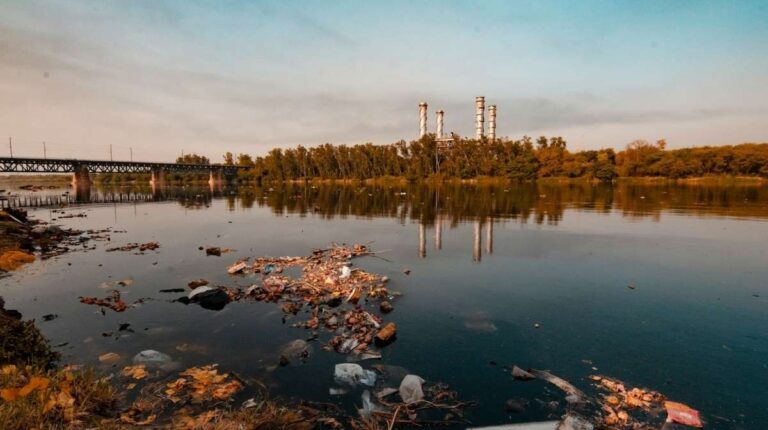
The problems caused by air pollution have escalated into one of the most urgent environmental and public health crises of our generation. Contaminated air now reaches every continent, every income level, and every age group. According to the World Health Organization, approximately 99 percent of the global population breathes air that exceeds safe guideline limits. From smog-blanketed megacities to rural landscapes scarred by agricultural burning, toxic air silently harms billions of people each day.
Table of Contents
The effects of air pollution on health and environment extend far beyond coughing and hazy skies. Respiratory diseases, cardiovascular complications, cognitive decline, ecosystem collapse, and trillion-dollar economic losses are all tied directly to what we release into the atmosphere. This article explores the full scope of these consequences using real-world data, clinical research, and authoritative case studies.
What Is Air Pollution and Where Does It Come From
Air pollution refers to the presence of harmful substances in the atmosphere at concentrations that threaten human health, wildlife, and the natural environment. These substances include particulate matter, nitrogen dioxide, sulfur dioxide, carbon monoxide, ground-level ozone, and volatile organic compounds. Understanding the problems caused by air pollution begins with identifying their sources.
Industrial and Manufacturing Emissions
Factories, refineries, and coal-fired power plants are among the largest contributors to atmospheric contamination. They release sulfur dioxide, carbon monoxide, heavy metals such as lead and mercury, and volatile organic compounds. According to the United States Environmental Protection Agency, industrial processes remain a primary driver of hazardous air quality across both developed and developing nations.
Transportation and Vehicle Exhaust
Motor vehicles generate a significant share of urban air pollution. Diesel engines produce nitrogen oxides, gasoline vehicles release unburned hydrocarbons, and brake and tire wear contributes fine particulate matter. Cities with heavy traffic congestion consistently rank among the most polluted places on earth, with commuters inhaling harmful fumes during every trip.
Agricultural and Residential Sources
Agricultural practices and household fuel combustion are often overlooked yet contribute substantially to the problems caused by air pollution. Ammonia emissions from livestock and fertilizers, methane released from rice paddies, seasonal crop residue burning, and wood or coal used for cooking and heating all add dangerous pollutants to the air. Rural populations face a compounded burden when these local emissions combine with industrial pollution transported by wind.
How Air Pollution Damages Human Health
The effects of air pollution on health and environment are most immediately visible in what contaminated air does to the human body. Multiple organ systems suffer damage from prolonged or even short-term exposure to toxic air.
Respiratory System Damage
The lungs are the first point of contact with airborne pollutants. Fine particulate matter smaller than 2.5 micrometers, commonly known as PM2.5, bypasses the body’s natural defenses and embeds deep within lung tissue. This triggers chronic inflammation, reduces oxygen absorption capacity, and over time contributes to bronchitis, chronic obstructive pulmonary disease, and worsened asthma symptoms.
Children are particularly vulnerable. Research published by The Lancet Respiratory Medicine has shown that children growing up in heavily polluted areas often develop reduced lung function that persists into adulthood. Hospitals around the world consistently report surges in emergency room visits during days of poor air quality.
Cardiovascular Disease
The problems caused by air pollution reach well beyond the respiratory system. When toxic particles enter the bloodstream, they provoke inflammatory responses that damage arterial walls and accelerate plaque buildup. Long-term population studies, including those reviewed by the American Heart Association, have established clear connections between polluted air and increased rates of heart attacks, irregular heartbeats, high blood pressure, strokes, and heart failure.
Cardiologists now treat local air quality as a clinically meaningful risk factor when evaluating patient health, alongside traditional indicators like cholesterol levels and blood pressure readings.
Neurological and Cognitive Harm
One of the more alarming effects of air pollution on health and environment involves the brain. Ultrafine particles are small enough to cross the blood-brain barrier, where they may contribute to neuroinflammation and the progression of neurodegenerative diseases. Research from Harvard T.H. Chan School of Public Health has linked long-term exposure to polluted air with a higher risk of dementia and measurable cognitive decline in aging populations.
Studies on children in urban environments reveal lower academic performance and developmental delays compared to peers living in areas with cleaner air. These findings suggest that toxic air may be impairing an entire generation’s intellectual potential.
Environmental and Ecosystem Destruction
The problems caused by air pollution do not stop at human health. Natural systems across the planet absorb the consequences of atmospheric contamination in ways that threaten biodiversity and ecological balance.
Acid Rain and Forest Decline
Sulfur dioxide and nitrogen oxides released by industrial processes and vehicles react with water vapor in the atmosphere to form acid rain. This acidic precipitation damages forests, leaches essential nutrients from soil, contaminates freshwater lakes and streams, and erodes buildings and historical monuments. The National Geographic Society has documented widespread forest decline in North America and Europe directly linked to acid deposition.
Agricultural Losses and Ozone Damage
Ground-level ozone, formed when vehicle and industrial emissions react with sunlight, interferes with plant photosynthesis and stunts crop growth. According to the Food and Agriculture Organization of the United Nations, ozone pollution reduces yields of staple crops including wheat, rice, and soybeans, posing a direct threat to global food security.
Wildlife and Aquatic Ecosystem Harm
Wildlife populations face habitat degradation and physiological stress from breathing contaminated air. Airborne pollutants that settle onto oceans, rivers, and lakes disrupt aquatic food chains and diminish biodiversity. Because atmospheric circulation patterns carry pollutants across vast distances, pollution generated in one region can damage ecosystems thousands of miles away.
Economic and Social Consequences
The financial burden created by the problems caused by air pollution is staggering. The World Bank estimates that air pollution costs the global economy trillions of dollars annually through healthcare expenditures, lost labor productivity, and reduced agricultural output.
Direct Economic Losses
Healthcare costs associated with pollution-related respiratory and cardiovascular illnesses run into billions of dollars each year in individual countries alone. Lost workplace productivity from illness and absenteeism, declining tourism revenue in heavily polluted destinations, rising insurance premiums, and expensive infrastructure repairs all compound the economic damage.
Social Inequality and Environmental Justice
Communities with the worst air quality frequently experience falling property values and reduced quality of life. Lower-income neighborhoods bear a disproportionate pollution burden because they tend to be located closer to industrial facilities, busy highways, and waste processing sites. This inequality makes the effects of air pollution on health and environment a matter of social justice as well as environmental science.
Real World Case Studies
Examining how the problems caused by air pollution have unfolded in specific cities reveals both the severity of the crisis and the possibility of meaningful improvement.
Delhi’s Seasonal Air Quality Crisis
India’s capital faces severe pollution episodes every winter when stubble burning from neighboring agricultural states combines with vehicle exhaust and industrial output. During peak episodes, visibility drops below 200 meters, schools close for weeks, and emergency health advisories become routine. The Central Pollution Control Board of India regularly records PM2.5 readings that exceed safe limits by ten times or more during these events.
Beijing’s Remarkable Turnaround
Beijing was once a global symbol of extreme air pollution, but the Chinese government’s aggressive intervention has produced dramatic results. By closing coal-fired power plants within city limits, enforcing strict vehicle emission standards, relocating heavy industries, and expanding urban green spaces, the city reduced PM2.5 concentrations by more than 50 percent over a decade. This transformation demonstrates that the problems caused by air pollution can be reversed with committed policy action.
Los Angeles and the Birth of Emission Regulation
Los Angeles suffered some of the world’s worst smog during the mid-twentieth century. California responded by pioneering vehicle emission standards, transitioning to cleaner energy sources, and enforcing strict industrial regulations. These measures dramatically improved the city’s air quality over the following decades and served as a model for pollution control legislation worldwide.
Solutions and Prevention Strategies
Tackling the problems caused by air pollution requires coordinated action across governments, industries, and communities.
Policy and Regulatory Measures
Effective government interventions include emission trading systems that create financial incentives for reducing pollution, clean air legislation that establishes enforceable standards, mandatory vehicle inspection programs, and zoning regulations that separate industrial operations from residential areas. Real-time air quality monitoring networks provide the data necessary to guide these policies and issue timely public health warnings.
Technological Innovation
Modern technology offers increasingly powerful tools for reducing atmospheric contamination. Electric vehicles eliminate tailpipe emissions entirely. Renewable energy sources like solar and wind reduce dependence on fossil fuels. Carbon capture and storage systems trap emissions at industrial facilities before they reach the atmosphere. Advanced filtration technologies improve indoor air quality in homes, schools, and workplaces.
Individual and Community Action
Citizens contribute meaningfully by using public transportation or cycling instead of driving, supporting clean energy initiatives, planting and maintaining urban green spaces, and advocating for stronger environmental protection policies. Community pressure has historically been one of the most effective forces driving governmental action on pollution control.
Conclusion
The problems caused by air pollution form an interconnected web of health crises, environmental degradation, and economic losses that no society on earth can afford to ignore. The effects of air pollution on health and environment span from damaged lungs and weakened hearts to dying forests and collapsing ecosystems. Yet the evidence from cities like Beijing and Los Angeles proves that determined action delivers real results. Staying informed about local air quality, supporting cleaner policies, and making sustainable daily choices are steps every person can take to help reverse this crisis before its consequences become irreversible.
What are the main problems caused by air pollution?
The main problems caused by air pollution include respiratory diseases such as asthma and chronic obstructive pulmonary disease, cardiovascular conditions including heart attacks and strokes, neurological harm like cognitive decline and increased dementia risk, environmental damage through acid rain and ozone depletion, and massive economic losses from healthcare costs and lost productivity.
How does air pollution affect the environment?
Air pollution damages the environment by producing acid rain that harms forests and freshwater systems, generating ground-level ozone that reduces crop yields, contaminating aquatic ecosystems when airborne pollutants settle on water surfaces, and degrading wildlife habitats across vast distances through atmospheric transport of toxic particles.
Who is most vulnerable to the effects of air pollution?
Children, elderly individuals, pregnant women, and people with preexisting respiratory or cardiovascular conditions face the greatest health risks from air pollution. Lower-income communities living near industrial zones and major roadways also bear a disproportionate burden of exposure.
Can the problems caused by air pollution be reversed?
Yes. Case studies from Beijing, Los Angeles, and other cities demonstrate that aggressive policy interventions, cleaner technologies, and sustained community action can significantly reduce pollution levels and improve public health outcomes within a single decade.
What can individuals do to reduce air pollution?
Individuals can reduce air pollution by choosing public transportation, cycling, or walking over personal vehicle use, conserving energy at home, supporting renewable energy adoption, avoiding open burning of waste, and advocating for stronger environmental regulations in their communities.